Asthma Symptoms: Warning Signs and Danger Indicators

2024-12-08
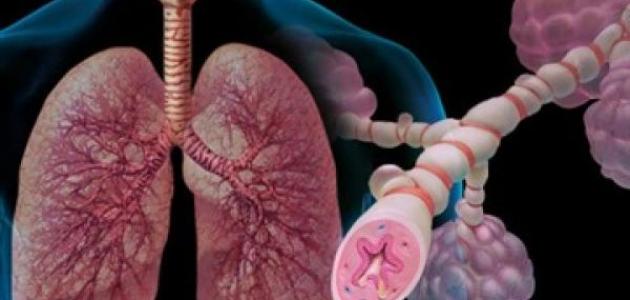


Asthma is a chronic respiratory condition characterized by symptoms that occur when the airways narrow due to bronchial spasms, inflammation, or mucus buildup. According to Cleveland Clinic, asthma symptoms can vary from patient to patient and from one episode to another, ranging from mild to severe.
Coughing: Especially at night.
Wheezing: A whistling sound coming from the chest during breathing.
Shortness of breath: Difficulty breathing properly.
Chest tightness or pain: May feel like persistent pressure or discomfort.
Not all patients experience the same symptoms.
Symptoms can appear at different times or due to specific triggers such as exercise, viral infections, or allergens.
Early warning signs indicate worsening asthma before full-blown symptoms appear. These signs include:
Frequent coughing, especially at night.
Shortness of breath or breathlessness with minimal effort.
Fatigue during exercise.
Wheezing or coughing after physical activity.
Mood changes, irritability, or agitation.
Cold or allergy symptoms, such as sneezing, nasal congestion, and sore throat.
Difficulty sleeping.
Use prescribed asthma medications as outlined in your treatment plan.
Monitor symptoms to prevent an asthma attack.
If early signs are ignored and the condition is not managed, asthma symptoms can worsen, including:
Persistent coughing, day and night.
Increased wheezing while breathing.
Chest tightness or pressure.
Severe difficulty breathing.
No improvement after using quick-relief bronchodilator medications.
Intense wheezing during both inhalation and exhalation.
Continuous coughing that does not subside.
Rapid breathing accompanied by difficulty catching your breath.
Chest pain or pressure.
Tightened neck and chest muscles.
Inability to speak.
Pale, sweaty appearance.
Bluish lips or fingernails.
Follow the emergency instructions provided in your asthma management plan.
Seek immediate medical attention.