Prosthetic devices: Between technology and humanity to restore life

2024-12-10
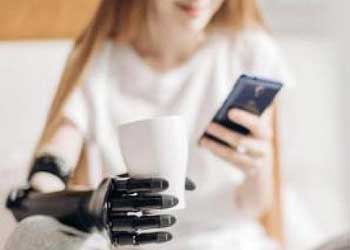


Since ancient times, man has always sought to overcome the natural limitations that limit his abilities, especially when it comes to the loss of vital organs or functions, and in our current era, huge leaps have been made in the development of prosthetic devices that have become an essential means of restoring the ability of individuals to practice their daily lives.
This development was not only in the medical aspect, but in improving the quality of personal and professional life for patients and injured people, and in this article, we will address the concept of prosthetic devices, their types, and the latest developments in this field.
Prosthetic devices are tools or equipment that are used to compensate for the loss of a part of the body or to improve its function in the event of a malfunction or disability, and prosthetic devices vary to include artificial limbs, artificial eyes, hearing aids, and devices that compensate for the loss of internal organ functions such as pacemakers.
The main goal of these devices is to enable people to live their lives as normally as possible, which helps improve their ability to move, hear, see, or even digest in some cases. According to the World Health Organization (WHO), more than one billion people in the world suffer from some kind of disability, making prosthetic devices a vital tool in their rehabilitation and integration into society.
Prosthetics: Prosthetics are one of the most popular types of prosthetic devices that are used to compensate for the loss of limbs as a result of accidents, diseases, or congenital deformities. In the past, prosthetics were simple structures, but with the advancement of technology, prosthetics can now be mobile and controllable using artificial intelligence and sensing technologies. In a study published by Harvard University, it was found that modern prosthetics allow people with prosthetic limbs to better perform daily activities such as walking and jogging.
Hearing aids: Hearing loss compensation is one of the most prominent fields that have seen significant development in recent years, modern hearing devices are becoming more sophisticated and available, through chip technologies and digital processing, people with hearing loss can interact with their surroundings more clearly and easily, and studies by the National Institute of Hearing and Communication Disorders indicate that about 466 million people around the world suffer from hearing loss, making hearing devices essential to improve their quality of life.
Artificial eyes: Artificial eyes are one of the amazing technologies that help compensate for vision loss. Technologies such as retinal implants and artificial eye technology (such as those used in cases of eye loss due to accidents) offer an increased ability to restore some vision function, and according to the American Ophthalmological Association, these devices can help individuals with partial vision loss regain some of their ability to navigate and interact with the world.
Prosthetic devices for internal organs: Such as pacemakers that are implanted to compensate for heart rhythm disorders, these devices are one of the most prominent modern medical technologies used to improve heart function, and a study published by the American Heart Association shows how these devices have helped reduce the risk of acute heart disease and increase the lifespan of patients with heart rhythm disorders.
As technology advances, prosthetic devices are becoming smarter and more powerful. New technologies such as 3D printing have allowed for more accurate and tissue-compatible prosthetics, and technologies such as artificial intelligence and robotics are being used to create prosthetics that can interact with human nerve signals, allowing users to control prosthetics in a more natural way.
Smart prosthetics, such as those using motion sensors and electronic control, are able to improve mobility and gait, and even allow for more accurate interaction with the environment, making these devices extremely useful for people who have suffered limb loss in accidents or medical conditions.
Despite these advances, there are still some challenges facing users of prosthetic devices, such as high cost, limited availability in some remote areas, and the issue of immune rejection in some cases such as artificial organ transplants, but with continued research and development, the future holds the promise of more effective and affordable solutions.