Anal Fistula: Causes, Symptoms, Diagnosis, and Treatment

2024-12-14
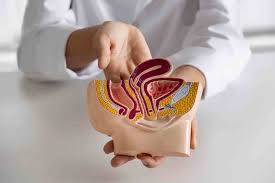


An anal fistula is a medical condition characterized by the formation of a small channel connecting an infected gland inside the anus to an external opening on the surrounding skin. This condition is often the result of an anal abscess, which progresses to a fistula in approximately 50% of cases. According to Mayo Clinic, the primary treatment for anal fistulas is surgical intervention.
The primary causes of anal fistula include:
Anal abscess: The most common cause.
Chronic conditions: Such as Crohn's disease and inflammatory bowel diseases.
Sexually transmitted infections (STIs).
Trauma or injury to the area.
Tuberculosis and cancer.
Common symptoms include:
Note: Patients should consult a doctor if they experience any of these symptoms.
Diagnosis involves:
Physical Examination:
Inspecting the skin around the anus to identify an external opening and assessing the depth and direction of the fistula tract.
Anoscopy:
Using a specialized instrument to examine the internal parts of the anus and rectum.
To precisely locate the fistula and assess its structure.
Additional Tests for Suspected Crohn's Disease:
Blood tests, X-rays, and colonoscopy with a flexible, lighted tool to examine the colon.
Treatment of Anal Fistula
Treatment primarily involves surgery and includes:
Surgical Excision:
Removing the skin and muscles around the fistula to create an open channel, allowing it to heal from the inside out.
Seton Placement:
Used in complex cases to drain pus and infection before final surgical repair.
Outpatient Surgery:
Most fistula surgeries are performed on an outpatient basis, although large or deep fistulas may require a short hospital stay.
Post-Surgical Care and Follow-Up
Most cases respond well to surgical treatment, but regular follow-ups are crucial to ensure complete recovery.