A Comprehensive Medical Study on Hernia: Causes and Treatments

2024-12-09


A 2023 study published in the Annals of Surgery provided an in-depth analysis of hernias, their causes, and progression, focusing on inguinal and femoral hernias. The study analyzed data from over 50,000 patients worldwide, revealing that inguinal hernias are the most common type, accounting for approximately 75% of all hernia cases.
The study highlighted that tissue weakness in certain areas, often due to genetic mutations or muscle degeneration with age, plays a crucial role in hernia development. Early surgical intervention was shown to significantly reduce complications such as strangulation or obstruction.
Additionally, the study found that using laparoscopic and robotic-assisted surgery improved recovery rates and reduced complications by 30% compared to traditional open surgery. It recommended adopting a healthy lifestyle to prevent hernia recurrence post-treatment.
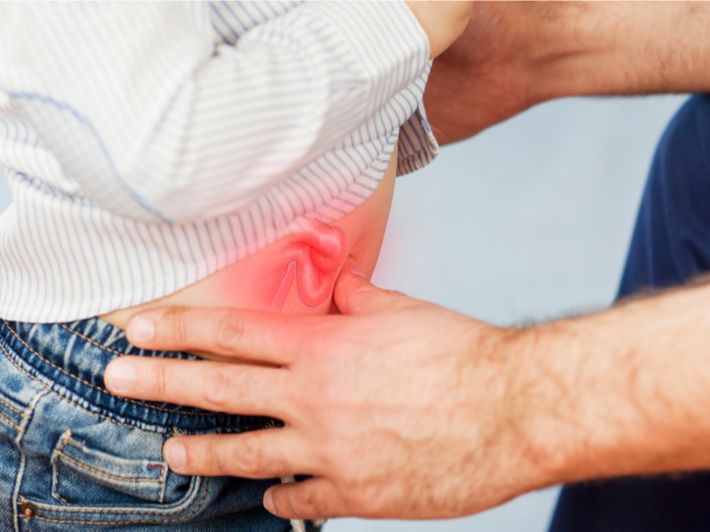
A hernia occurs when an organ or internal tissue pushes through the muscular wall or tissues meant to contain it. It commonly develops in the abdominal region and can occur between the chest and hips.
Occurs when fatty tissues or intestines protrude through the inguinal canal. It is the most common type of hernia, affecting men more frequently than women.
Less common, it occurs when tissues push under the groin area. It primarily affects older women.
Appears when tissues push through the abdominal wall near the navel.
Happens when part of the stomach protrudes into the chest cavity through the diaphragm.
Incisional Hernia: Results from previous surgical scars.
Epigastric Hernia: Between the navel and lower chest bone.
Diaphragmatic Hernia: Abdominal organs move into the chest cavity.
Common symptoms include:
Diagnosis involves:
- Physical examination of the bulge.
- Imaging techniques such as CT scans or MRI for confirmation.
Key causes include:
Surgery is the only effective treatment for hernias. Options include:
Laparoscopic Surgery:
Minimally invasive with small incisions and specialized tools.
Open Surgery:
Involves a larger incision for direct access to the hernia site.
Robotic Surgery:
Employs robotic technology for precision.
Abdominal Wall Reconstruction:
Used for complex hernia cases.
Untreated hernias can lead to serious complications such as:
After surgery, patients must follow post-operative guidelines, including:
Maintain a healthy weight.