Alien Hand Syndrome: A Medical Mystery That Defies Explanation

2024-12-14


Alien Hand Syndrome (AHS) stands as one of the most peculiar and complex neurological disorders. Despite its rarity, it sheds light on the critical interplay between the brain's hemispheres and their influence on motor control.
With advancements in medical research, more sophisticated techniques may emerge to help manage this condition and improve patients' quality of life.
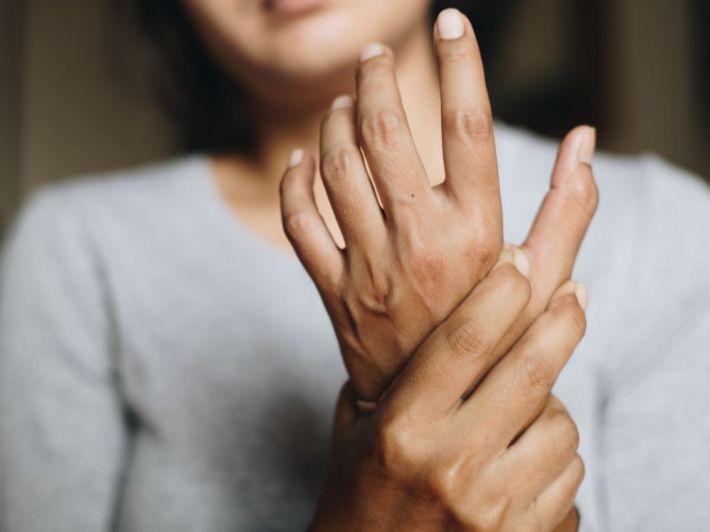
Alien Hand Syndrome (AHS) is a rare neurological condition where one of the hands—or less commonly, a leg—acts independently of the person's conscious control.
Characterized by involuntary and often bizarre actions, the hand appears to have a "mind" of its own, causing the patient to perceive it as foreign or not part of their body.
According to the National Institutes of Health (NIH), AHS is also known as Dr. Strangelove Syndrome, named after the character from Stanley Kubrick's 1964 film. In the movie, Dr. Strangelove’s arm acts independently, giving unwanted Nazi salutes, prompting him to restrain it with his other hand.
In this syndrome, the affected hand performs involuntary movements, like grasping objects or touching the face. While patients feel normal sensations, such as pain or touch, they cannot control the hand, leading to the perception of it being alien.
-The first recorded case of AHS dates back to 1909.
-It often affects the less dominant hand (e.g., the left hand in right-handed individuals).
-The alien hand may cause harm to the patient, performing actions that can be physically or emotionally distressing.
-AHS is more common in adults but has been documented in children as well.
According to the Brain and Nerve Journal, AHS arises from a neurological dysfunction that disrupts the coordination between the brain’s hemispheres. The following factors are common causes:
1. Brain Injuries
Stroke: Can impair communication between brain regions.
Trauma: Head injuries may damage critical neural pathways.
Tumors or aneurysms: These can exert pressure on brain areas, leading to AHS.
Neurodegenerative diseases: Conditions like Alzheimer’s may contribute to the development of AHS.
2. Brain Surgeries
Corpus Callosotomy: Surgical separation of the brain's hemispheres to treat epilepsy often leads to AHS as a side effect.
Other surgeries involving brain structures responsible for motor coordination.
3. Brain Lesions
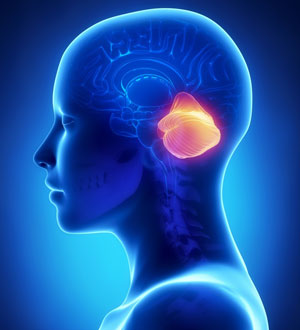
Lesions in areas such as the posterior parietal cortex or supplementary motor area may disrupt voluntary motor control, leading to involuntary movements.
Loss of control over the affected hand: The hand moves involuntarily and performs tasks such as closing buttons or touching objects without the person's intent.
Feeling of estrangement: Patients describe the hand as foreign, as though it is being controlled by an unseen force.
Diagnosing AHS can be challenging due to its rarity and overlap with psychiatric disorders. It requires thorough observation and neurological assessments:
Clinical Observation: Monitoring the involuntary movements and evaluating the patient's medical history.
Imaging Tests:
-MRI (Magnetic Resonance Imaging): Detects brain abnormalities.
-CT (Computed Tomography) Scans: Identifies structural damage or lesions.
Currently, there is no definitive cure for AHS. However, several therapies can help manage symptoms:
1. Pharmacological Interventions
Botulinum Toxin (Botox): Reduces abnormal muscle activity.
Neuromuscular Blocking Agents: Administered via injection to reduce involuntary muscle movements.
Benzodiazepines: Used to alleviate anxiety associated with the condition.
2. Behavioral Therapies
Mirror Box Therapy: Stimulates the brain by reflecting the movement of the unaffected limb to "trick" the brain into restoring control.
Cognitive Behavioral Therapy (CBT): Helps patients cope with the psychological impact of AHS.
Visuospatial Training: Enhances the patient’s ability to process spatial and visual information, aiding in symptom management.
3. Patient-Initiated Strategies
Verbal Commands: Patients may attempt to "talk" to the alien hand to stop its movements.
Occupying the Alien Hand: Holding an object in the affected hand to prevent unwanted actions.
Restraining the Hand: Sitting on or immobilizing the hand to inhibit its movements.
Alien Hand Syndrome remains a fascinating yet challenging neurological condition that offers unique insights into brain function and motor control.
While no cure exists, ongoing research and therapeutic advancements provide hope for better symptom management.