Dementia: Causes, Symptoms, Treatment, and Prevention

2024-12-14
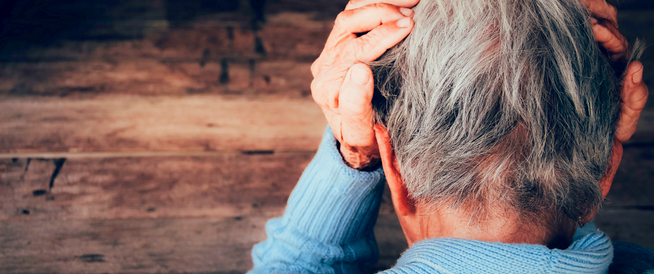


Dementia is among the most common neurological disorders affecting the elderly, characterized by a decline in cognitive functions that interferes with daily life.
According to a report published in The Lancet Neurology in 2023, over 50 million people worldwide are living with dementia, a number projected to double by 2050.
Dr. John Miller, a professor of neurology at Harvard University, stated, “Early diagnosis and proper management of dementia can improve quality of life and delay the progression of symptoms".
Dementia refers to a disorder that affects brain functions such as memory, language, thinking, and coordination.
It is common among the elderly, particularly those aged 85 and above. Symptoms often include difficulties with behavior, mood, and performing daily tasks.
Dementia occurs when brain cells are damaged, leading to impaired communication between neurons. Key causes include:
1. Alzheimer's Disease: The most common cause, involving abnormal protein accumulation in the brain.
2. Vascular Dementia: Caused by conditions like strokes or reduced blood flow to the brain.
3. Lewy Body Dementia: Linked to protein deposits in brain cells, causing hallucinations and motor issues.
4. Frontotemporal Dementia: Affects the frontal and temporal lobes, leading to behavioral and personality changes.
5. Mixed Dementia: A combination of Alzheimer's and vascular dementia.
6. Treatable Causes: Vitamin deficiencies, infections, thyroid issues, or medication side effects.
1. Primary Dementia:
o Alzheimer’s Disease.
o Vascular Dementia.
o Lewy Body Dementia.
o Frontotemporal Dementia.
2. Secondary Dementia:
o Results from diseases like Parkinson’s or Huntington’s.
3. Reversible Dementia-like Conditions:
o Normal pressure hydrocephalus.
o Infections or vitamin deficiencies.
1. Early Symptoms:
o Difficulty remembering recent events.
o Forgetting places or objects.
o Changes in mood and behavior.
o Repetitive actions or speech.
2. Advanced Symptoms:
o Inability to perform daily tasks.
o Difficulty communicating or finding words.
o Hallucinations and delusions.
o Severe personality changes.
Diagnosis involves comprehensive evaluations, including:
1. Medical History: Reviewing symptoms and family history.
2. Laboratory Tests: To rule out conditions like vitamin deficiencies.
3. Imaging Tests: MRI or CT scans to detect brain damage or abnormalities.
4. Cognitive and Psychological Assessments: Evaluating memory, problem-solving, and mood.
While most types of dementia are incurable, symptoms can be managed through:
1. Medications:
o Cholinesterase inhibitors for Alzheimer’s.
o Antipsychotics or antidepressants for behavioral symptoms.
2. Behavioral Therapies:
o Managing anxiety and stress.
o Providing psychological and social support.
3. Treating Reversible Causes:
o Addressing issues like normal pressure hydrocephalus or vitamin deficiencies.
Although dementia cannot be entirely prevented, certain lifestyle choices can lower the risk:
1. Healthy Diet:
o Consuming antioxidant-rich foods like fruits and vegetables.
o Reducing fat and cholesterol intake.
2. Mental and Social Activity:
o Engaging in brain-stimulating games and puzzles.
o Maintaining social interactions.
3. Exercise:
o Daily physical activities to improve blood flow to the brain.
4. Managing Chronic Conditions:
o Controlling blood pressure, diabetes, and cholesterol levels.