In light of recent research Symptoms and causes of viral hepatitis

2024-12-13
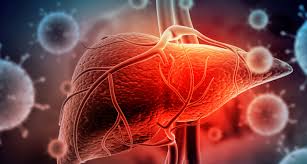


Viral hepatitis is one of the most common diseases that affect the liver and cause serious damage to human health. This disease is caused by viruses that destroy liver cells, leading to serious health complications such as cirrhosis and liver cancer.
Although viral hepatitis can be a treatable disease in its early stages, dealing with it requires high health awareness and a thorough understanding of its causes, symptoms, and available prevention and treatment methods.
Viral hepatitis is an inflammation of the liver cells caused by a specific virus, there are 5 main types of viruses that cause this disease: Hepatitis A virus (HAV), hepatitis B virus (HBV), hepatitis C virus (HCV), hepatitis D virus (HDV), and hepatitis E virus (HEV).
According to the National Institute of Liver and Digestive Diseases in the United States, hepatitis B and C viruses are the most common and can lead to chronic infections and cause long-term health issues.
The causes of viral hepatitis vary depending on the type of virus:
Hepatitis A virus (HAV): This virus is usually transmitted by ingesting contaminated food or water. It can also be transmitted through direct contact with an infected person.
Hepatitis B virus (HBV): This virus is transmitted through bodily fluids such as blood and semen, and can be contracted through unprotected sexual intercourse or needle sharing.
Hepatitis C virus (HCV): It is mainly transmitted through contaminated blood. It is usually the result of using unsterilized needles or donating contaminated blood.
Hepatitis D virus (HDV): Occurs only if a person is already infected with the hepatitis B virus, as the D virus acts as a replicator of the B virus.
Hepatitis E virus (HEV): It is mainly transmitted through contaminated water and is more common in areas with poor health infrastructure.
Symptoms vary depending on the type of virus and the different stages of the disease, in cases of acute viral hepatitis, patients can experience the following symptoms:
Fatigue and exhaustion: Feeling very tired and unable to do daily activities.
Jaundice: Yellowing of the skin and whites of the eyes due to the accumulation of bilirubin in the body due to liver damage.
Abdominal pain: Especially in the upper right part of the abdomen, where the liver is located.
Loss of appetite and nausea: You may feel nauseous and vomit and may experience significant weight loss.
Dark urine and light stools: This is a result of abnormal liver function.
Viral hepatitis can be diagnosed through blood tests that detect the presence of different viruses, as well as imaging tests such as ultrasound of the liver.
A study published in the American Journal of Hepatology showed that blood testing for antibodies and genetic testing for viruses can be useful to determine the type and severity of the virus.
Treatment of viral hepatitis depends on the type of virus and the stage of the disease. In cases of acute hepatitis (especially type A), the patient may not need more than rest and supportive treatment as the patient spontaneously heals in most cases.
Hepatitis B: Antiviral medications such as tenofovir and entecavir are available that help reduce viral replication in the blood and prevent cirrhosis.
Hepatitis C: Since the discovery of newer treatments, such as sofosbuvir and daclatasvir, the treatment of hepatitis C has become more effective, with patients able to make a full recovery within 12 weeks.
The best way to prevent viral hepatitis is to receive the available vaccines, such as the hepatitis A and B vaccine. You should also avoid shared needles, ensure you drink clean water and follow good hygiene practices to minimize the risk of infection.
The World Health Organization (WHO) recommends that children receive the hepatitis B vaccine at birth as a preventative measure.
If viral hepatitis is diagnosed early and the necessary treatment measures are taken, the patient may be able to make a full recovery or control the disease.
However, if left untreated, the disease can lead to serious complications such as cirrhosis, liver failure, and liver cancer.