Kidney Failure: A Promising Innovation Opens New Horizons

2024-12-08
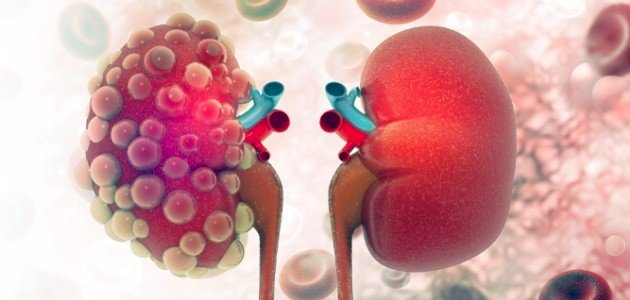


Kidney failure patients often require regular dialysis sessions, a necessary but risk-laden treatment with potential complications. However, researchers have made a significant breakthrough in this field that could transform the future of treatment.
The new artificial kidney innovation represents a ray of hope for millions of patients worldwide, offering an effective and safe alternative to traditional therapies. With ongoing advancements in kidney care, the future looks brighter for patients suffering from chronic kidney failure.
Kidneys play a vital role in the body, filtering toxins and waste from the blood while regulating blood pressure. As kidney function deteriorates, these tasks become increasingly challenging, forcing patients to undergo regular dialysis sessions. This time-intensive process can significantly impact their quality of life.
According to a 2020 study published in Kidney360, around 175,000 individuals in India undergo chronic dialysis.
A report from "New Atlas" highlighted that researchers at the University of California, San Francisco, successfully developed a prototype for a bio-artificial kidney that can be implanted in the body without requiring medications or external equipment.
Blood Filter: Made from silicon membranes, it removes toxins and waste from the blood.
Bio-Reactor: Contains tubular units that regulate water volume and electrolyte balance.
For the first time, researchers integrated both components into a single device. It connects to the patient's main arteries, with one transporting unfiltered blood to the device and the other returning the filtered blood to the body. Tests showed that the device operates solely on blood pressure without the need for pumps or external power sources.
Hemodialysis: Blood is filtered outside the body.
Peritoneal Dialysis: Filtering occurs internally through the abdominal cavity.
Patients undergo regular dialysis due to acute or chronic kidney failure, particularly in stage five of chronic kidney disease, which requires lifelong treatment or a kidney transplant.
Acute Kidney Failure: A sudden loss of kidney function requiring temporary dialysis in some cases. Many patients recover fully or partially.
Chronic Kidney Failure: Results from prolonged kidney dysfunction and is divided into five stages based on the filtration rate of harmful substances like creatinine.
End-Stage Renal Disease (ESRD): Severe chronic kidney failure requiring permanent replacement therapy to sustain life.
Stick to the Treatment Plan: Avoid missing dialysis sessions to prevent complications.
Monitor Fluid Intake: Limit fluid consumption to avoid buildup between sessions.
Follow a Kidney-Friendly Diet: Work with a dietitian to reduce sodium, phosphorus, and potassium intake.
Take Prescribed Medications: Follow medical advice regarding prescribed drugs.
Stay Physically Active: Regular physical activity improves overall health.
Monitor Blood Pressure: Managing blood pressure helps protect kidney health.
Manage Stress: Practice relaxation techniques or engage in hobbies.
Stay Educated: Learn about treatment options and participate actively in your care plan.
Maintain Good Hygiene: Proper hygiene, especially with catheter care, reduces the risk of infection.