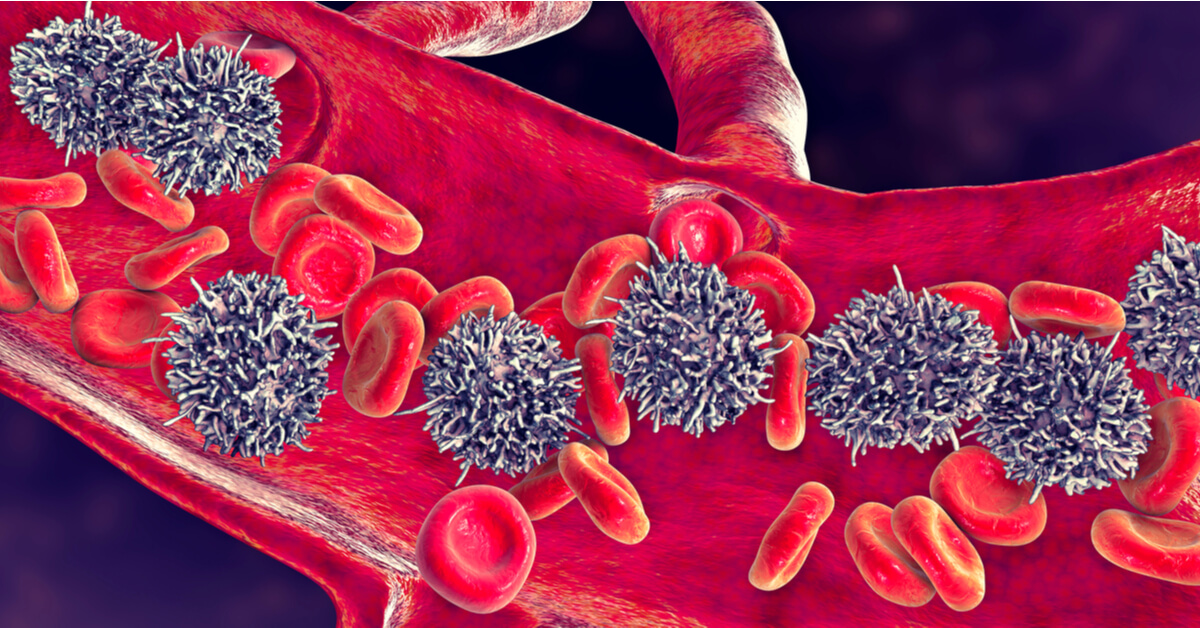
Leukemia, also known as blood cancer, is one of the most dangerous types of cancer that affects blood cells. It occurs when white blood cells grow abnormally and multiply in the bone marrow.
Although leukemia primarily affects white blood cells, its impacts are widespread, affecting the body's ability to fight infections and destroying other healthy blood cells, such as red blood cells and platelets.
In this article, we will explore leukemia in terms of its causes, symptoms, types, diagnosis, treatment methods, as well as the latest medical and scientific research in this field.
What is Leukemia?
Leukemia is a type of cancer that begins in the cells responsible for forming blood in the bone marrow, where healthy blood cells change into abnormal cells that multiply rapidly. This leads to the destruction of healthy blood cells and an increase in immature white blood cells that do not function properly. This weakens the body's ability to fight infections and may affect the blood’s ability to carry oxygen or control bleeding.
According to the American Cancer Society, leukemia is one of the most common types of cancer among both children and adults, with variations in the severity of the disease depending on the type of leukemia and the age of the patient.
Types of Leukemia
Leukemia is classified into two main types based on the speed of disease progression and the type of affected cells:
-
Acute Leukemia: In this type, immature white blood cells multiply rapidly and spread suddenly in the blood. The main forms of acute leukemia include:
- Acute Lymphocytic Leukemia (ALL): Primarily affects children, and occurs when lymphocytes (a type of white blood cell) begin to grow abnormally.
- Acute Myelogenous Leukemia (AML): Affects both adults and children, and impacts immature white blood cells in the bone marrow.
- Chronic Leukemia: This condition develops slowly, with cancer cells growing gradually. The main forms of chronic leukemia include:
- Chronic Lymphocytic Leukemia (CLL): Primarily affects adults and may take years to show noticeable symptoms.
- Chronic Myelogenous Leukemia (CML): Characterized by the gradual growth of white blood cells in the bone marrow and may affect individuals of all ages.
Symptoms of Leukemia
The symptoms of leukemia vary depending on its type and progression. Some of the main symptoms that a leukemia patient might experience include:
- Severe Fatigue: Persistent and extreme fatigue is one of the key symptoms due to the lack of healthy red blood cells.
- Frequent Fevers: Leukemia can cause an increase in body temperature due to recurring infections resulting from a weakened immune system.
- Bleeding and Bruising: As leukemia affects platelets, the patient may experience frequent bleeding or unexplained bruising.
- Bone or Joint Pain: These pains result from the enlargement of the bone marrow due to the rapid multiplication of cancerous cells.
- Swelling of Lymph Nodes, Spleen, or Liver: This happens due to the accumulation of cancerous blood cells in these organs.
Diagnosis of Leukemia
To diagnose leukemia, doctors typically conduct several tests:
- Blood Tests: A blood test is performed to determine the number of white blood cells, hemoglobin levels, and platelet count.
- Bone Marrow Biopsy: A sample of bone marrow is taken to examine and analyze the cells in detail.
- Imaging Tests: Such as X-rays, CT scans, or ultrasounds, which help assess the extent of the disease and identify any possible organ involvement.
According to the National Cancer Institute (NCI), a bone marrow biopsy is considered one of the most crucial diagnostic tools for leukemia.
Treatment of Leukemia
Treatment varies depending on the type of leukemia and the patient's health condition, and it includes:
- Chemotherapy: Used to destroy cancer cells in the blood and bone marrow. Chemotherapy is considered one of the main treatments for acute leukemia cases.
- Stem Cell Transplant: In some cases, stem cell transplantation may be used to stimulate the production of new blood cells in the bone marrow after cancer cells have been destroyed.
- Targeted Therapy: Involves the use of drugs that specifically target cancer cells, such as enzyme inhibitors (e.g., Gleevec for chronic myelogenous leukemia).
- Radiation Therapy: May be used in certain cases to shrink tumors or eliminate cancerous cells.
Future Research
Ongoing scientific research aims to develop new and more effective treatments for leukemia. According to a study published by Cancer Research UK, there is increasing interest in using gene therapy and immunotherapy to stimulate the immune system to fight cancer cells.