Muscle Separation: A Comprehensive Medical Study

2024-12-08
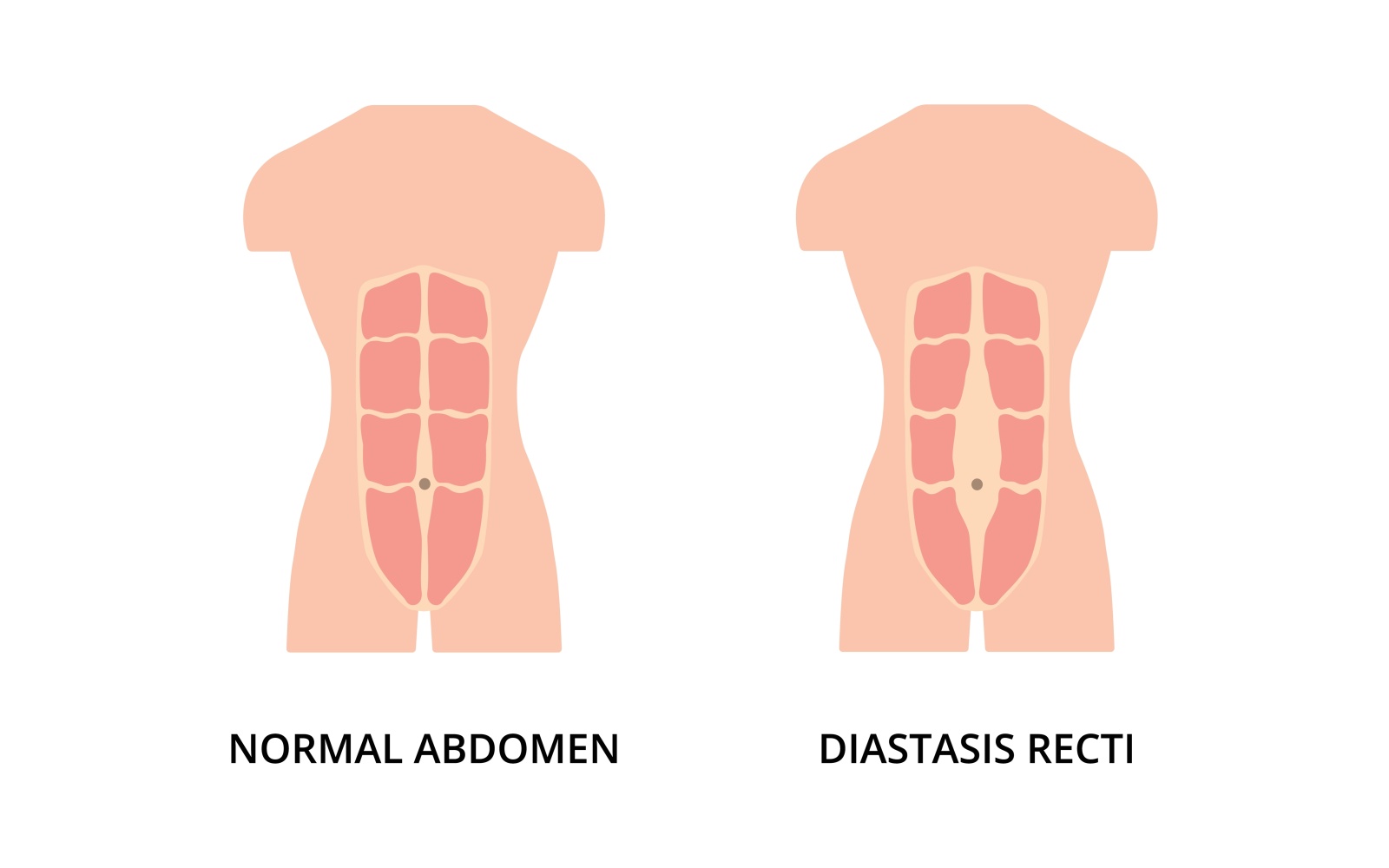


Muscle separation is a common condition that affects many women, especially during pregnancy and after childbirth. This condition relates to the separation of the rectus abdominal muscles, which run vertically along the front of the stomach, causing increased pressure on the abdominal wall. While it can be bothersome, muscle separation can be treated non-surgically in most cases, though some patients may require surgical intervention.
Muscle separation occurs when the rectus abdominal muscles, which extend from the lower ribs to the pubic bone, split apart. The separation happens through a strip of connective tissue called the "linea alba," which runs down the center of the abdomen. This separation typically occurs during pregnancy due to the expanding uterus, which increases pressure on the abdominal wall and causes the linea alba to stretch and weaken. After childbirth, the linea alba may return to its normal state, but in some cases, this retraction does not occur fully, resulting in a protruding abdomen.
Muscle separation primarily affects pregnant women or those who have given birth to one or more children. Although this condition is very common in women after pregnancy, it can also occur in men and children. During pregnancy, muscle separation typically develops in the third trimester as the baby grows rapidly, putting more pressure on the abdominal wall. However, most women do not notice the condition until after childbirth.
It is worth noting that more than half of women who have given birth experience muscle separation. While most cases improve on their own within two months after delivery, some women may still have symptoms of muscle separation even after six months postpartum.
-Bulging above or below the belly button
-Difficulty lifting objects or performing daily tasks
-Protrusion of the abdominal muscles when contracting the belly
-Lower back pain
-Pain during sexual intercourse
-Pelvic or hip pain
-A feeling of weakness in the abdominal area
-Urinary incontinence
-Difficulty maintaining an upright posture
While muscle separation itself is not painful, the associated symptoms, such as back or pelvic pain, can be bothersome or painful at times.
-Having a large or heavy baby
-Small body size
-Giving birth after the age of 35
-Vaginal delivery
-Multiple pregnancies (carrying more than one baby in a single pregnancy)
-Frequent pregnancies
-Carrying twins or more
Muscle separation is typically diagnosed through a physical examination, where the doctor palpates the abdominal area to assess muscle gaps and the strength of the abdominal wall. Imaging techniques such as ultrasound or CT scans may be used to measure the size of the gap between the muscles. A gap larger than 2 cm is considered a diagnosis of muscle separation. This diagnosis is often made at the six-week postpartum checkup to monitor any changes in the muscles.
If you wish to check for muscle separation yourself, try this method: lie on your back with your knees bent and feet flat on the floor, then use one hand to support your head and gently lift your shoulders, as if you were going to sit up. Place your other hand on your abdomen and feel for a gap between the abdominal muscles. If you can insert two or more fingers into the gap, it is advisable to consult your doctor.
In most cases, muscle separation can be managed through appropriate exercises that aim to strengthen the abdominal muscles. Doctors typically recommend gentle exercises that safely engage the abdominal muscles, such as deep breathing exercises and stretching. A follow-up plan is usually provided to ensure that the patient performs the exercises correctly.
In severe cases, or if muscle separation leads to a hernia (where an organ pushes through the gap in the linea alba), surgical intervention may be required. Muscle separation surgery involves stitching the muscles together to reduce abdominal protrusion and improve trunk strength. In some cases, surgery may be combined with a tummy tuck procedure to remove excess skin and tighten the abdomen.
At Cleveland Clinic Abu Dhabi, muscle separation is treated using laparoscopic techniques, where surgeons make small incisions to insert a laparoscope (a long, thin tube with a light and camera), allowing them to repair the separation precisely without the need for large incisions. After the surgery, the patient is advised to wear an abdominal brace for six to eight weeks and to avoid strenuous exercise or lifting heavy objects during this time.
-Avoid abdominal exercises for three months postpartum.
-Practice deep breathing to allow your ribs to expand naturally during pregnancy.
-Avoid lifting heavy objects after childbirth.
-Exercise and follow a healthy diet during pregnancy to ensure healthy weight gain.
-Maintain proper posture and stand upright.
-Gradually rise from bed during pregnancy and after childbirth.
According to Dr. Tony Hollis, Professor of Surgery at Columbia University, "Muscle separation is a very common condition among women after pregnancy, and symptoms may not be noticeable until after delivery, but early intervention in diagnosis and treatment can significantly improve symptoms."
Dr. Alan Schmidt, a surgical consultant at St. Mary’s Hospital, stated, "In severe cases of muscle separation, medical treatment and surgical intervention should be part of the treatment plan to ensure the muscles return to their normal state."