Parkinson's disease Challenges and treatment in light of medical advances

2024-12-08
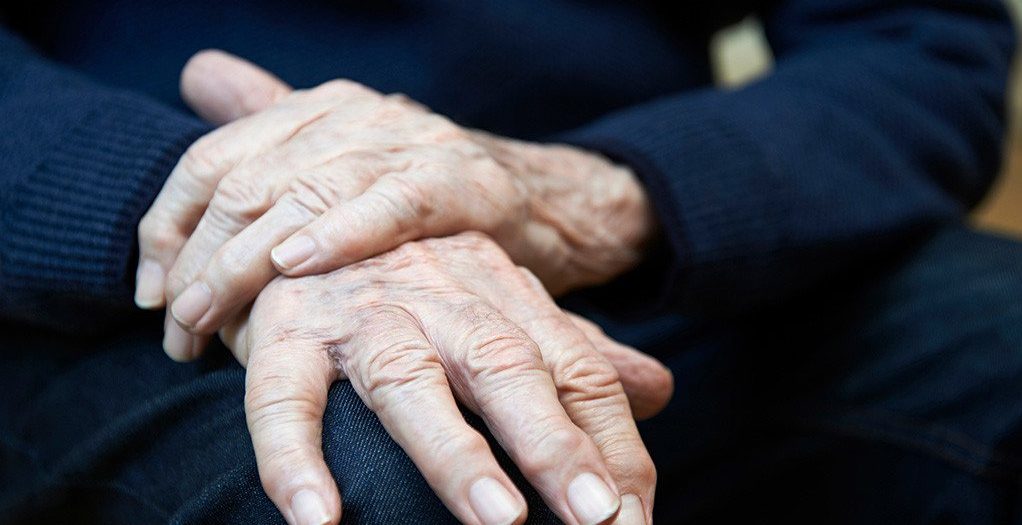


Parkinson's disease, also known as Parkinson's disease, is a slowly progressive neurological disorder that affects the movement of the body significantly, at first, the symptoms may be mild and unnoticeable, but over time, the disease increases the impact of the disease on the ability to move and balance.
Parkinson's disease is a disease that particularly affects the elderly, but some cases may appear at a young age, through this article, we review the causes, symptoms, and treatment available for this neurological disease, as well as some recent medical facts that may help in a better understanding of Parkinson's.
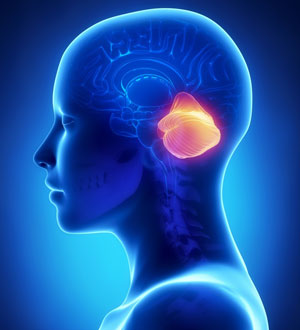
Parkinson's is a neurological disease that occurs when nerve cells in the brain are damaged, especially cells that produce dopamine, a chemical that plays an important role in controlling movement. This lack of dopamine causes key symptoms such as tremors, stiffness, slowness of movement, and loss of balance. Research suggests that about 1 in 100 people over the age of 60 have Parkinson's disease, according to the Parkinson's Disease Foundation.
Although the exact cause of Parkinson's disease is not yet known, doctors believe that a combination of genetic and environmental factors contribute to the development of the disease, and some studies suggest that exposure to environmental toxins or chemicals may increase the risk, as stated by the National Institute on Aging. In addition, genetics may play a role in some cases, as it has been observed that the disease is more prevalent in some families.
Symptoms of Parkinson's disease can vary from person to person, but the main symptoms include
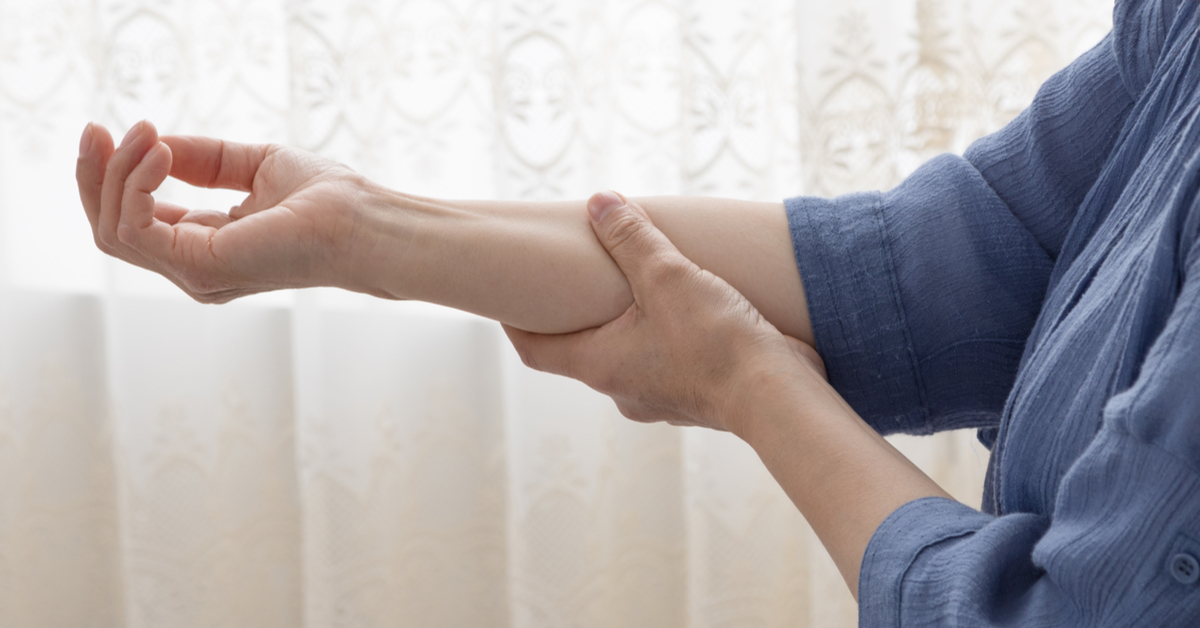
Tremor: Especially in the hands or fingers, which is one of the first signs that may appear.
Muscular rigidity: This is accompanied by a feeling of stiffness in the muscles, making movements more difficult.
Slow movement: The person becomes sluggish in performing daily activities, such as walking or writing.
Instability when standing or walking: The patient may have poor balance and feel wobbly when walking.
Changes in speech: The voice can become low or unclear as the disease progresses.
These symptoms are key signs that may help diagnose Parkinson's disease, but your doctor should run additional tests to rule out other diseases that may have similar symptoms, advises the Mayo Clinic.
There are many ways to diagnose Parkinson's. Doctors rely on medical history, visible symptoms, and neurological tests to determine the disease. There is still no specific test to confirm Parkinson's disease, but neuroimaging such as magnetic resonance imaging (MRI) can help rule out other diseases.
In terms of treatment, there is no complete cure for this disease, but there are several options that can help manage symptoms and improve quality of life:
Medications: Medications such as Levodopa are a key treatment, as they help compensate for the lack of dopamine in the brain, according to the Parkinson's Disease Foundation, 2021.
Surgery: In some advanced cases, surgery such as deep brain stimulation (DBS), where a device is implanted to help reduce symptoms, may be recommended, according to the Cleveland Clinic (Cleveland Clinic, 2020).
Physical therapy: Helps improve mobility and balance, and is essential for strengthening muscles and improving daily movement.
Parkinson's disease affects daily life significantly, making it necessary to provide psychological and physical support to the patient, and sufferers may need assistance in performing daily activities such as eating, dressing, and walking. But with proper treatment and ongoing care, people with Parkinson's can live an active and fulfilling life.
In fact, studies have shown that ongoing medical follow-up and supervision by multidisciplinary medical teams can improve quality of life and significantly reduce symptoms, according to the American Parkinson's Disease Association.