Sciatic Nerve Pain "Sciatica": Symptoms, and Treatment

2024-12-08


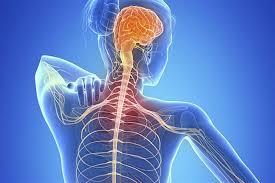
Sciatic nerve pain, also known as sciatica, is a condition characterized by pain radiating along the lower limb due to severe muscle spasms or pressure on the sciatic nerve. The pain can range from sharp and stabbing to debilitating, making it difficult to sit or stand.
According to Cleveland Clinic, sciatica can begin suddenly or develop gradually. It may worsen with sitting, sneezing, or coughing. Patients might also experience weakness, numbness, burning sensations, or tingling in the lower leg, extending to the toes. In rare cases, patients may have difficulty moving their knees or feet.
Sciatic nerve pain often results from nerve compression, which can be caused by several conditions, including:
A herniated or slipped disc compresses the nerve root and is the most common cause of sciatica.
Spasms or tightening of the piriformis muscle, a small muscle located deep in the buttocks, can press on and irritate the sciatic nerve.
Narrowing of the spinal canal leads to nerve compression.
A vertebra slips out of place, narrowing the nerve exit point.
Diagnosis involves reviewing the patient’s medical history, symptoms, and performing physical examinations. Additional tests may be required:
The patient lies on their back while the healthcare provider slowly lifts each leg to identify the source of pain.
X-rays: To detect spinal fractures.
MRI or CT Scans: To obtain detailed images of spinal structures.
Nerve Conduction Studies: Such as electromyography, to evaluate the efficiency of nerve signal transmission.
Myelography: Uses dye to highlight spinal issues related to discs or vertebrae.
Most sciatica cases can be managed without these advanced tests.
1. Non-Surgical Treatment:
Lying on a firm surface or the floor, avoiding soft mattresses.
Includes stretching exercises to enhance muscle flexibility and aerobic exercises like walking.
Strengthening exercises for back and abdominal muscles to support the spine.
Over-the-counter anti-inflammatory pain relievers such as ibuprofen and naproxen.
Muscle relaxants like cyclobenzaprine to ease muscle spasms.
Prescription pain relievers for severe pain.
Corticosteroid injections into the lower back to reduce inflammation and improve mobility.
Surgery is recommended for:
Persistent, severe pain.
Muscle weakness or worsening symptoms.
Common Surgical Procedures:
Partial Discectomy: Removes portions of the herniated disc.
Laminectomy: Removes bone or tissue compressing the sciatic nerve.
Alternative Therapies:
Yoga: Improves flexibility and reduces pain.
Acupuncture: May alleviate pain.
Massage Therapy: Relieves muscle spasms associated with sciatica.
Biofeedback Therapy: Helps manage pain and stress.
If untreated, sciatica can lead to persistent pain.
Muscle Weakness:
Continuous nerve compression can result in permanent weakness, such as "foot drop."
Approximately 80-90% of patients recover over time without surgery.
Half of the patients recover within six weeks.
Keep your back straight and lift with your legs, keeping the object close to your chest.
To reduce the risk of disc degeneration.
Strengthen supporting muscles in the back and abdomen.
While sitting, standing, and sleeping to minimize stress on the lower back.
To improve blood flow and reduce muscle tension.