Diabetic Retinopathy: Causes, Symptoms, and Treatment

2024-12-05


Diabetic Retinopathy is one of the most common and severe complications of diabetes, affecting the eyes by damaging the blood vessels in the retina due to prolonged high blood sugar levels. If left untreated, diabetic retinopathy can lead to partial or complete vision loss.
According to a 2023 study published in Ophthalmology Research, approximately 30% of diabetic patients worldwide suffer from diabetic retinopathy, with higher prevalence among those with poor blood sugar control.
The retina is a light-sensitive neural tissue located at the back of the eye. It converts light into electrical signals transmitted to the brain through the optic nerve for interpretation as visual images. In diabetic retinopathy, elevated blood sugar damages the delicate blood vessels nourishing the retina, depriving it of essential nutrients for its health and functionality.
Non-Proliferative Diabetic Retinopathy (NPDR):
Early stage of the disease.
Fluid and blood leak from the retinal blood vessels, causing retinal swelling.
Symptoms may not be noticeable at this stage.
Proliferative Diabetic Retinopathy (PDR):
Advanced stage of the disease.
Fragile new blood vessels grow on the retina and into the vitreous body.
These vessels may lead to internal bleeding, tears, or retinal detachment.
Blurred or hazy vision.
Difficulty seeing fine details.
Black spots or floating objects in the visual field.
Difficulty distinguishing colors.
Loss of central vision, affecting reading or driving.
Dr. John Miller of Mayo Clinic stated: "In many cases, patients remain unaware of diabetic retinopathy until advanced complications arise. Regular eye screenings are crucial for early detection."
Dilated Eye Exam:
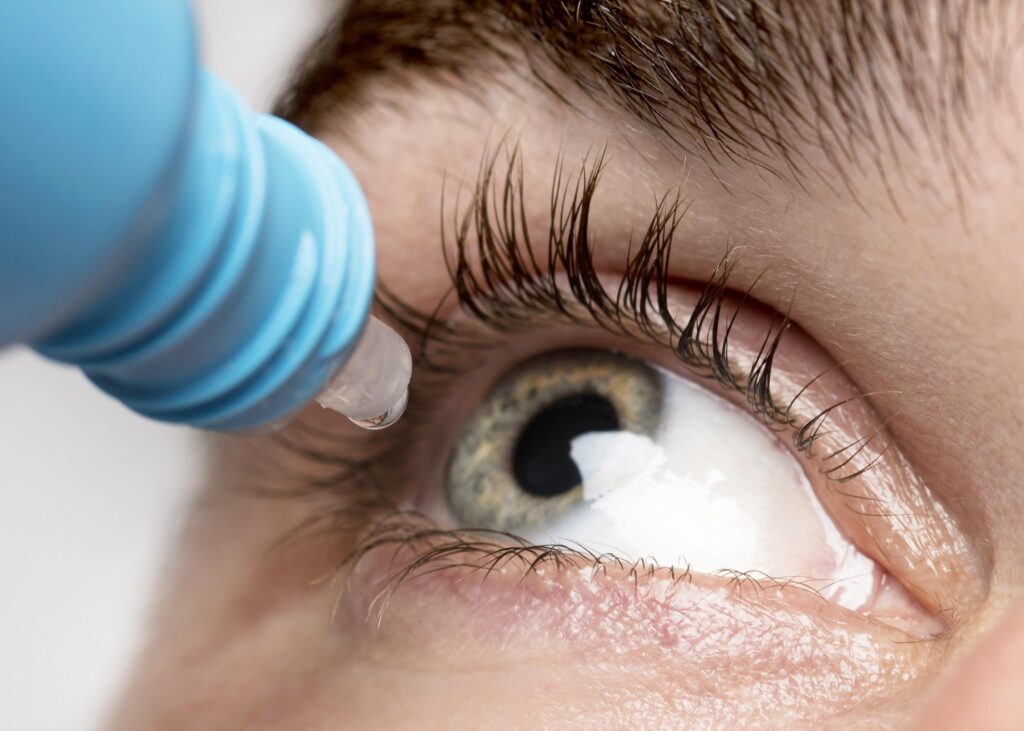
Eye drops are used to widen the pupil, allowing a detailed examination of the retina.
Fluorescein Angiography (FA):
A dye is injected into a vein, and images are captured to detect leaking or new blood vessels.
Optical Coherence Tomography (OCT):
Used to assess retinal swelling and macular edema.
Dr. Jennifer Kennedy from Stanford University emphasized: "Advanced imaging techniques play a vital role in the early diagnosis and effective management of diabetic retinopathy."
- Blood Sugar and Blood Pressure Management:
Maintaining normal glucose and blood pressure levels slows disease progression.
Smoking cessation reduces further blood vessel damage.
Medications:
- Intravitreal Injections:
Anti-VEGF drugs like aflibercept (Eylea) and bevacizumab (Avastin) prevent abnormal blood vessel growth.
- Corticosteroids:
Used for managing macular edema in select cases.
- Laser Therapy:
Applied in advanced stages to seal or destroy leaking or abnormal blood vessels.
While effective in preventing vision loss, it may reduce night vision or color perception.
- Surgical Interventions:
Vitrectomy:
Removal of blood and scar tissue from the vitreous body to restore vision.
Retinal Detachment Repair:
Surgery to reattach the retina in severe cases.
Dr. Mark Davidson from Cleveland Clinic noted: "Early treatment yields better outcomes, but surgical interventions are critical in advanced cases to preserve vision."
Retinal Detachment:
Scarring from abnormal blood vessels can cause the retina to detach.
Permanent Vision Loss:
If damaged blood vessels remain untreated.
Macular Edema:
Fluid accumulation in the macula leads to central vision loss.
Prevention of Diabetic Retinopathy
Regular eye exams at least once a year.
Strict blood sugar and blood pressure control.
Maintaining a healthy diet and avoiding smoking.
Staying physically active and managing weight.
Dr. Sarah Mills from Johns Hopkins Medicine stated: "Preventing diabetic retinopathy begins with effective diabetes management and routine eye examinations."
Sudden appearance of black spots or floaters.
Blurry or sudden loss of vision.
Flashes of light or dark spots in the visual field.