Multiple Myeloma: Recent Medical Study and Latest Treatment Approaches

2024-12-10
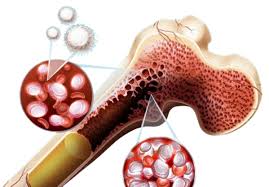


A recent medical study published in the International Journal of Cancer highlights significant advancements in the understanding of multiple myeloma (MM), a rare type of blood cancer that affects plasma cells in the bone marrow, which are an essential part of the body's immune system.
The study confirms the importance of early diagnosis and selecting precise treatments aimed at improving patients' quality of life and extending their lifespans, especially in light of recent treatment developments that offer greater chances of success.
Multiple myeloma is a type of cancer that affects plasma cells in the bone marrow. These plasma cells, a type of white blood cell, are responsible for producing antibodies that help the body fight infections. When someone develops multiple myeloma, the plasma cells grow abnormally, leading to several health issues, including bone destruction and the production of abnormal proteins known as M proteins.
Genetic mutations: Certain genetic mutations are thought to contribute to the abnormal growth of plasma cells.
Environmental factors: Exposure to certain chemicals or radiation may increase the risk of developing multiple myeloma.
Inflammatory conditions: Studies have shown a link between multiple myeloma and diseases such as type 2 diabetes, heart disease, and rheumatoid arthritis.
Obesity: Being overweight is considered a contributing factor to the disease.
Bone pain: Often one of the first noticeable symptoms.
Anemia: Due to the suppression of the bone marrow's ability to produce red blood cells.
Frequent infections: Caused by the weakened immune system due to abnormal plasma cells.
Bone pain and fractures: These occur as abnormal plasma cells destroy bone tissue.
Hypercalcemia: Due to bone erosion, calcium is released into the blood, causing elevated calcium levels.
General weakness and weight loss: A result of the overall effect of the disease on the body.
Blood tests: These include a complete blood count (CBC) to examine red and white blood cells, as well as blood chemistry tests to measure calcium and albumin levels.
Imaging tests: These may include MRI (magnetic resonance imaging) and CT (computed tomography) scans to detect bone damage or plasma cell tumors.
Bone marrow biopsy: A sample is taken from the bone marrow to check for the presence of abnormal plasma cells.
Immunotherapy: Medications that stimulate the immune system to target and destroy abnormal plasma cells.
Targeted therapy: Drugs that specifically target cancer cells, reducing side effects.
Stem cell transplant: Replaces damaged bone marrow with healthy stem cells after chemotherapy.
Chemotherapy: Used to reduce the number of abnormal plasma cells.
In recent statements from leading experts in hematology and oncology, Dr. Andrew Smith, an oncologist at Johns Hopkins Hospital, stated: "With the significant progress made in immunotherapy and chemotherapy, we can see marked improvements in the lives of multiple myeloma patients, but early diagnosis remains the critical factor in improving outcomes." Dr. Susan Thomas, a professor of oncology at the University of Oxford, added: "Diagnosing multiple myeloma requires a combination of precise tests and continuous monitoring to determine the most appropriate treatment for each patient based on their individual condition."
As research continues, the treatment of multiple myeloma is undergoing major transformations. Many experts suggest that precision medicine, which is based on the patient's genetic data, will revolutionize future treatment. This approach enables doctors to identify the most effective medications based on genetic analysis of the tumor, thereby reducing side effects and improving therapeutic outcomes.
Researchers are also working on developing gene therapy that could help correct abnormal plasma cells directly, offering a brighter future for patients suffering from this rare disease.
Amyloidosis: A condition where abnormal amyloid proteins accumulate in organs.
Monoclonal gammopathy of undetermined significance (MGUS): A condition where small amounts of M protein are found.
Plasma cell tumors: Individual clusters of abnormal plasma cells.
Multiple myeloma is a rare and complex disease, but with ongoing advancements in research and treatment technologies, there is greater hope for improving patient outcomes. Early and accurate treatment is key to enhancing life quality and increasing survival rates. Researchers continue to strive for more effective treatment options with fewer side effects.