Artificial Intelligence. The stethoscope of the 21st century

2024-12-08
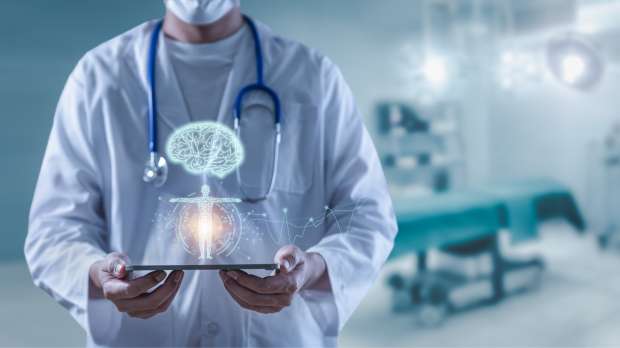


A new type of doctor is now found in many hospitals, with no names or faces, they don't eat, sleep, or sweat, they are simply intelligent systems and robots - or more comprehensively - artificial intelligence tools.
With the advancement of technology and the increase in the amount of data available thanks to recent developments in computer science and robotics design, artificial intelligence (AI) has become an important element in modern healthcare, and has also become one of the most promising innovations to improve health services, facilitate diagnosis and treatment, increase the efficiency of medical services, help provide accurate and fast insights that serve doctors and patients alike, and even perform surgeries.
There are many uses in which AI can positively impact the practice of medicine, whether by speeding up the pace of diagnosis and research or helping doctors make better decisions, according to WebTeb.
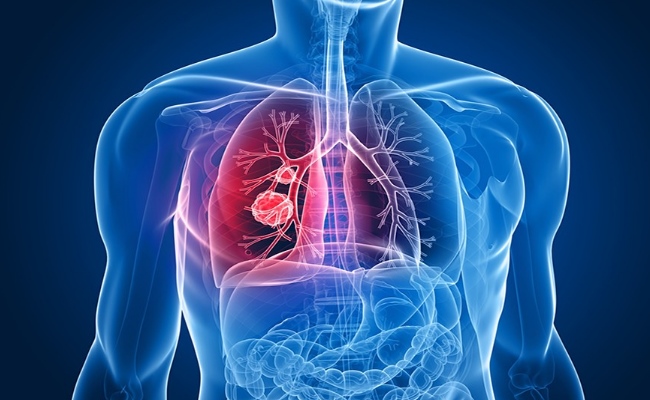
Medical diagnosis: Artificial intelligence is widely used in analyzing medical images, such as X-rays and magnetic resonance imaging (MRI), and this technology relies on machine learning algorithms that can recognize patterns and identify potential diseases with high accuracy, so AI can detect tumors in their early stages, which increases the chances of recovery and reduces the cost of treatment.
Increased accuracy: AI relies on accurate algorithms that are able to detect details that may not be obvious to the human eye, which improves the accuracy of diagnosis.
Saves time and cost: AI helps shorten the time required to analyze medical data and arrive at a diagnosis, allowing doctors to focus on providing medical care, and smart technology can reduce the costs associated with treatment, by improving the efficiency of processes and reducing errors.
Continuous innovation: AI makes it possible to explore new solutions and innovate treatments to meet evolving health challenges.
Personalized treatment: AI can design personalized treatment plans based on individual patient data such as genetics, health status, and medical history. This enables doctors to deliver effective treatment tailored to each patient's unique needs, increasing the effectiveness of treatment and reducing side effects.
Disease prediction: Using available data on patients, AI can predict the likelihood of developing certain diseases, such as heart disease or diabetes, based on existing risk factors. This can help patients and doctors take early preventative action to minimize the risk of disease.
Decision-making assistance: AI provides doctors with valuable information based on big data and analysis. Intelligent systems can analyze data on similar cases and suggest appropriate diagnoses or treatments, relieving pressure on doctors and enhancing the accuracy of decisions.
According to the “Futurism” website, one doctor described artificial intelligence as “the stethoscope of the 21st century.” Although AI is in the early stages of its development in the field of medicine, it is already capable - like human doctors - of diagnosing patients, and researchers at John Radcliffe Hospital in Oxford, England, developed a system to diagnose diseases by artificial intelligence, more accurate than doctors' diagnosis of heart disease, with a rate of 80%.
At Harvard University, researchers created a microscope that can detect blood infections that cause death. The AI tool was trained on a series of 100,000 images collected from 25,000 slides that were treated with dye to make the bacteria more visible.
Researchers have found that AI can outperform human doctors in diagnostic challenges that require a quick decision, such as determining whether a lesion is cancerous in a cell. AI is also better than humans at predicting diseases before they occur. In April 2017, researchers from the University of Nottingham published a study that included training on 387,000 patient data showing that self-learning AI predicted 7.6% more cardiovascular events in patients than the current standard of care.
In conclusion, when it comes to healthcare, AI is not necessarily meant to replace doctors, but to help them achieve optimal and accurate performance and improve their capabilities.