Medical Specialties
Sarcoma: A Comprehensive Study on Diagnosis and Treatment
Sarcoma: A Comprehensive Study on Diagnosis and Treatment
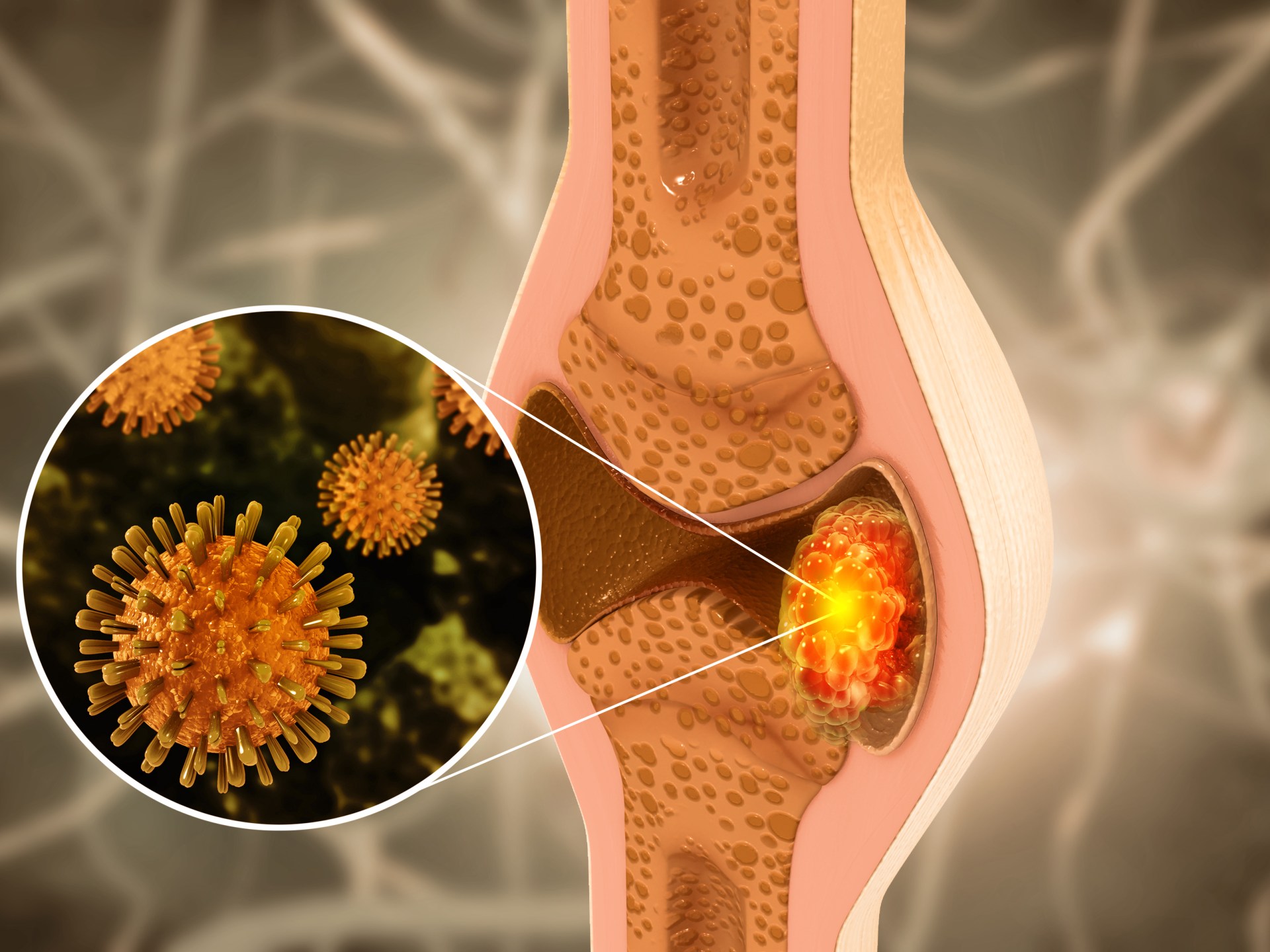
Sarcoma is a rare type of cancer that develops in the connective tissues, such as muscles, fat, nerves, or blood vessels, and can also occur in the tissues surrounding joints and bones. Sarcomas can develop anywhere in the body, but they are most commonly found in the legs, feet, ankles, and sometimes in the chest and abdominal wall. They are less frequent in the shoulders, arms, wrists, head, and neck.
Types of Sarcoma
Sarcoma can be divided into several types, with the most notable being:
- Bone Sarcoma: This type may either originate in the bone itself or spread to the bone from another part of the body. Common subtypes of bone sarcoma include:
- Osteosarcoma
- Ewing's sarcoma
- Fibrosarcoma
- Chondrosarcoma
- Chordoma
- Soft Tissue Sarcoma: This type arises in the soft tissues such as muscles, fat, or blood vessels. It includes:
- Vascular sarcoma
- Gastrointestinal stromal tumor (GIST)
- Small round cell tumors
- Liposarcoma
- Smooth muscle sarcoma
- Myxofibrosarcoma
- Synovial sarcoma
- Rhabdomyosarcoma
- Malignant Schwannoma
- Undifferentiated pleomorphic sarcoma
Symptoms of Sarcoma
The symptoms of sarcoma vary based on the tumor's location and size. However, common symptoms include:
- A painful or painless lump or mass
- Unexplained weight loss
- Back pain
- Pain in the arms, legs, or abdomen
- Difficulty moving the affected limbs (such as arms or legs)
Causes of Sarcoma
Sarcoma occurs when the DNA in cells of soft tissues or bones is altered, leading to the development of cancerous cells that grow and multiply uncontrollably. The exact cause of sarcoma remains unknown, but several factors may increase the risk of developing this type of cancer:
- Chemical exposure: Exposure to chemicals like arsenic, plastic manufacturing materials, and pesticides.
- Radiation: Previous exposure to radiation therapy for treating other types of cancer.
- Genetic conditions: Certain inherited disorders or chromosomal abnormalities.
- Lymphedema: Chronic swelling of the limbs due to lymphatic system problems.
Diagnosing Sarcoma
The diagnosis begins with a thorough physical examination by a physician, who will evaluate the symptoms and medical history. This is followed by a series of diagnostic tests, which may include:
- Bone Scintigraphy (Bone Scan): A small amount of radioactive material is injected to help identify bone issues, including sarcoma.
- Biopsy: A tissue sample is taken and analyzed in the lab to confirm whether cancer cells are present.
- Imaging Tests: These include X-rays, CT scans, MRI scans, and PET scans.
Treatment of Sarcoma
The treatment for sarcoma depends on the type, location, and stage of the disease. The main treatment options include:
- Surgery: The goal is to remove the tumor while preserving as much healthy tissue as possible.
- Chemotherapy: Medications are used to kill cancer cells or prevent their growth.
- Radiation Therapy: High-energy radiation is used to kill cancer cells or prevent their spread.
- Immunotherapy: This treatment uses the body's immune system to fight cancer by stimulating it to produce more cancer-fighting cells or helping natural cells recognize and attack cancer cells.
- Thermal Ablation or Cryoablation: In some cases, the tumor may be destroyed using heat or freezing techniques.
Statements from Leading Medical Experts on Sarcoma
Official Sources and Recent Studies
-
National Institutes of Health (NIH): Comprehensive studies on sarcoma and advancements in treatment methods.
- American Cancer Society: Articles and scientific studies related to the treatment and prevention of sarcoma.
- PubMed (National Library of Medicine): Latest scientific studies on surgery and chemotherapy for sarcoma.
- World Health Organization (WHO): Global health reports on the prevalence and development of sarcoma cases worldwide.