amyotrophic lateral sclerosis A devastating neurological disease

2024-12-09


Amyotrophic lateral sclerosis (ALS) is a rare and chronic neurological disease that affects the brain cells and spinal cord, leading to a gradual deterioration in a person's ability to control their muscles and voluntary movements, this condition is also known as Lou Gehrig's disease, after the famous American baseball player who was diagnosed with it.
Although ALS does not appear suddenly, its symptoms develop gradually, making diagnosis and treatment a major challenge. In this article, we will review what ALS is, its causes, symptoms, and the latest developments in treatment methods.
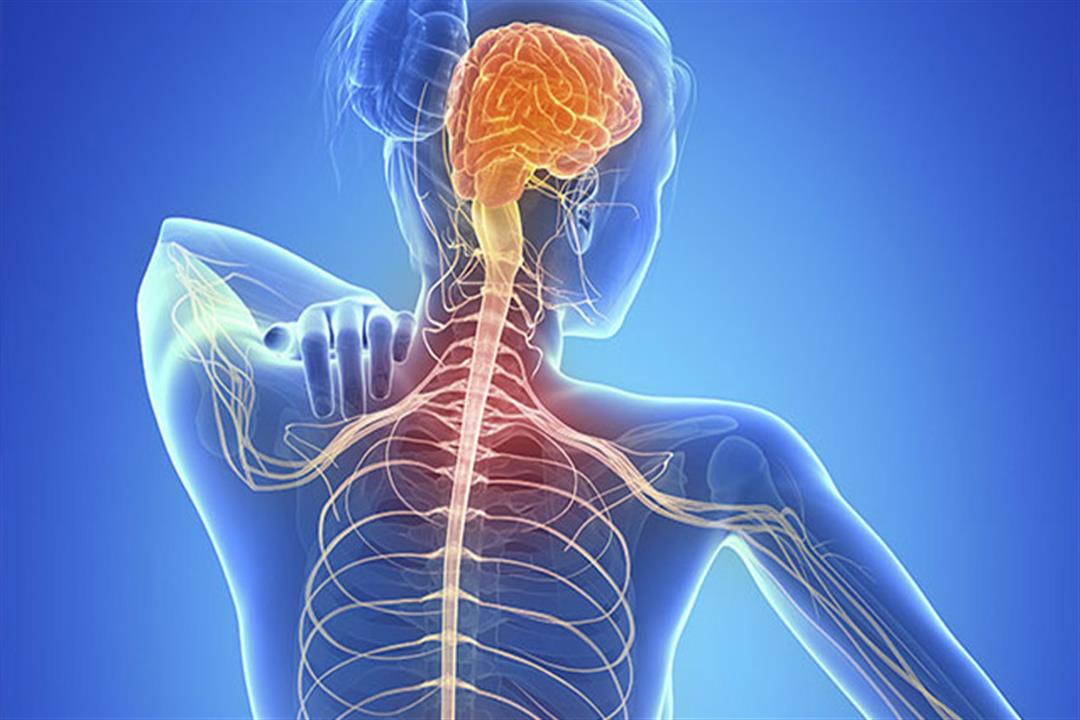
ALS is a neurological disease that affects the motor neurons, which control voluntary muscle movement. In people with ALS, these cells are gradually damaged, leading to loss of control over muscle movements. The disease usually starts in small muscles such as hands or feet, but over time it may affect the rest of the body, including the breathing muscles, which may eventually lead to death as a result of respiratory failure.
According to the National Institute of Neurological Disorders and Stroke (NINDS), it is estimated that 5-10% of ALS cases are genetic, while the rest are thought to be due to a combination of genetic and environmental factors (1).
Although the exact cause of ALS is not yet known, studies suggest that genetic factors may play a role in the development of the disease. About 5-10% of cases can be genetic, while the rest are thought to be the result of a complex interplay between genes and environmental factors.
In addition, issues with the immune system or the accumulation of proteins in nerve cells may contribute to the progression of the disease, according to the American Academy of Neurology (AAN). It is important to understand that ALS is still a major area of research, with many hypotheses about its etiology needing further investigation.
ALS symptoms vary from person to person, but the main symptoms include:
Early diagnosis of ALS is challenging, as there are no specific tests to detect it, doctors usually rely on a history of symptoms, neurological examination, and multiple tests such as electromyography (EMG) to determine the extent of nerve damage.
A blood test and other tests can help rule out other neurological diseases that may present with similar symptoms.
There is no cure for ALS yet, but there are several medications that can slow the progression of the disease and relieve symptoms. For example, the drug Riluzole was developed and has been shown to be effective in slowing the progression of the disease, according to the National Institute of Neurological Disorders and Stroke (NINDS).
Furthermore, the drug Edaravone is used in some cases, and studies have shown that it helps minimize functional muscle deterioration (6).
In addition to medications, the disease requires an integrative treatment that includes physical therapy, occupational therapy, and respiratory therapy, which helps patients maintain their daily functions as much as possible, in some advanced cases, it may be necessary to use ventilators to help patients breathe.
Despite advances in treatments, there are still many challenges in understanding the causes of ALS and developing effective treatments. Genetic and neurological research is the greatest hope for uncovering the factors that lead to the disease, many medical and research institutions are working on studying how to treat nerve damage, and new technologies such as stem cells and gene therapy may offer hope for the future.
According to the American Academy of Neurology, advanced research in gene therapy and stem cells are areas that may offer future solutions to combat ALS.
ALS is a rare and complex neurological disease that requires careful diagnosis and ongoing treatment to manage symptoms, and although there is no definitive cure for ALS yet, ongoing research in this field may contribute to improving the lives of patients and providing more effective treatments in the future. If you or a loved one is experiencing symptoms associated with ALS, it is important to consult a doctor for proper evaluation and guidance.