Appendicitis: Comprehensive Medical Study and Latest Treatment Approaches

2024-12-08
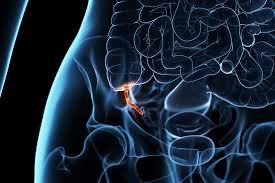


Appendicitis is a medical emergency caused by inflammation of the appendix, a small finger-like tube attached to the large intestine at the junction of the small intestine.
According to a report by Mayo Clinic, appendicitis requires immediate medical attention to avoid potentially life-threatening complications, such as appendix rupture, which can lead to peritonitis, an inflammation of the abdominal lining (MayoClinic).
According to statistics from the American Society for Gastrointestinal Endoscopy, appendicitis is the most common reason for abdominal surgery in children. Dr. John Anderson, a general surgery consultant at Cleveland Clinic, stated, "Appendicitis typically affects people between the ages of 15 and 30 and is more common in males than females."
4 out of every 1,000 children under the age of 14 undergo appendectomy.
Appendicitis is rare in children under two years old.
Abdominal pain: Starting in the middle of the abdomen near the navel and shifting to the lower right side.
Nausea and vomiting: Often accompanied by a loss of appetite.
Mild fever: Typically reaching up to 38.8°C (101.8°F).
Abdominal bloating: With gas retention, diarrhea, or constipation.
Other physical symptoms: Tenderness in the abdomen, worsening pain with coughing or deep breathing.
Note: Not all patients experience the same symptoms, making diagnosis challenging.
Diagnosis relies on a combination of clinical examination, lab tests, and imaging. Dr. Michael Clark, Head of Imaging at Johns Hopkins Hospital, noted, "Ultrasound and CT scans are the most accurate tools for confirming appendicitis."
Physical exam: To identify pain in the lower right abdomen.
Blood tests: To detect elevated white blood cell counts, indicating infection.
Urine tests: To rule out urinary tract infections.
Imaging: X-rays, MRI, or ultrasound to exclude other causes of abdominal pain.
Open surgery: Removal of the appendix through a single abdominal incision.
Laparoscopic surgery: A minimally invasive approach using small incisions and specialized tools. Benefits include reduced pain, faster recovery, and smaller scars.
Prescribed before and after surgery to prevent infection, especially if the appendix has ruptured.
Avoiding food and drink on the first day post-surgery.
Gradually reintroducing liquids and solid foods.
Prescribing pain relievers and antibiotics as needed.
Avoid painkillers: They may mask symptoms and delay diagnosis.
Avoid laxatives or enemas: These can increase the risk of appendix rupture.
Consult a doctor immediately: Especially if experiencing involuntary vomiting or worsening pain.
Although there is no specific way to prevent appendicitis, studies suggest that a diet rich in fiber (including fresh fruits and vegetables) may reduce the risk.
Dr. Anthony Foster, Professor of General Surgery at Yale University, emphasized, "Early diagnosis of appendicitis is crucial to preventing complications like peritonitis." He also recommended seeking immediate hospital care when experiencing suspected symptoms.
Mayo Clinic: www.mayoclinic.org
American Society for Gastrointestinal Endoscopy: www.asge.org