Causes, Treatment, and Coping Methods for Functional Dyspepsia

2024-12-13



Functional dyspepsia is a common condition affecting many individuals around the world.
It refers to a group of digestive symptoms that occur without any underlying organic problems in the digestive system. People suffering from functional dyspepsia often experience stomach pain, a feeling of fullness, or digestive discomfort, despite having normal digestive system examinations that show no structural or pathological abnormalities.
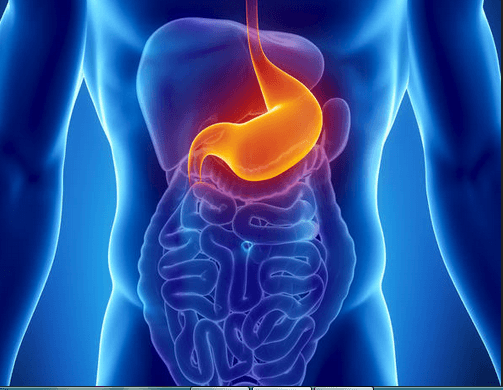
Functional dyspepsia is a type of gastrointestinal disorder that causes discomfort or pain in the stomach or upper abdomen.
It is also known as "dyspepsia without ulcers," as there are no ulcers or any organic diseases to explain the symptoms. The most common symptoms of functional dyspepsia include early fullness after eating, stomach pain, excessive burping, nausea, and discomfort in the upper abdomen, according to the Internal Medicine Journal.
While the exact cause of functional dyspepsia is not completely understood, several factors may contribute to its occurrence.
Studies published by the American Journal of Gastroenterology suggest that psychological factors such as stress and anxiety might play a role in triggering this disorder. People with high levels of stress or anxiety are more prone to developing functional dyspepsia, as stress significantly affects the functioning of the digestive system.
Other factors that may contribute to this condition include motility disorders in the gut.
There may be a dysfunction in the coordination of stomach and intestinal contractions, which can lead to digestive issues. Additionally, unhealthy eating habits, such as overeating fatty foods or consuming large meals, may also exacerbate symptoms, according to Mayo Clinic.
Functional dyspepsia is diagnosed based on the clinical symptoms presented by the patient, as there are no specific tests to detect it.
Doctors typically rule out other issues, such as gastric ulcers or chronic digestive disorders, through tests like upper endoscopy or laboratory exams. According to a study published in the British Journal of Gastroenterology, doctors may use a symptom scale to confirm the presence of functional dyspepsia after excluding other organic diseases.
Although functional dyspepsia is not a condition that can be completely cured, its symptoms can be managed through a range of treatments. First, dietary modifications are recommended to avoid foods that may trigger symptoms, such as fatty, spicy foods, or dairy products.
Eating smaller, more frequent meals instead of large meals may also help alleviate symptoms.
Medication is a common treatment option for functional dyspepsia. It may include drugs that reduce stomach acid, such as proton pump inhibitors (PPIs), as well as medications that improve intestinal motility, such as soothing or digestive-stimulating agents, according to the Canadian Journal of Gastroenterology.
Psychological treatments, such as cognitive behavioral therapy (CBT), have also been found effective in some cases for managing the stress and anxiety associated with the condition.
While medication and lifestyle changes are central to managing functional dyspepsia, coping strategies are also crucial for improving quality of life. These strategies may include relaxation techniques such as mindfulness, meditation, and yoga to reduce stress and anxiety, which can help ease symptoms. Regular exercise, maintaining a healthy weight, and avoiding overeating can also be beneficial.
Finally, patients with functional dyspepsia are advised to work closely with their healthcare providers to develop an individualized treatment plan that addresses both the physical and emotional aspects of the condition.
This collaborative approach can lead to better symptom management and an improved overall well-being.