Abdominoperineal Resection via Laparoscopy: Causes, Procedure, and Recovery

2024-12-05
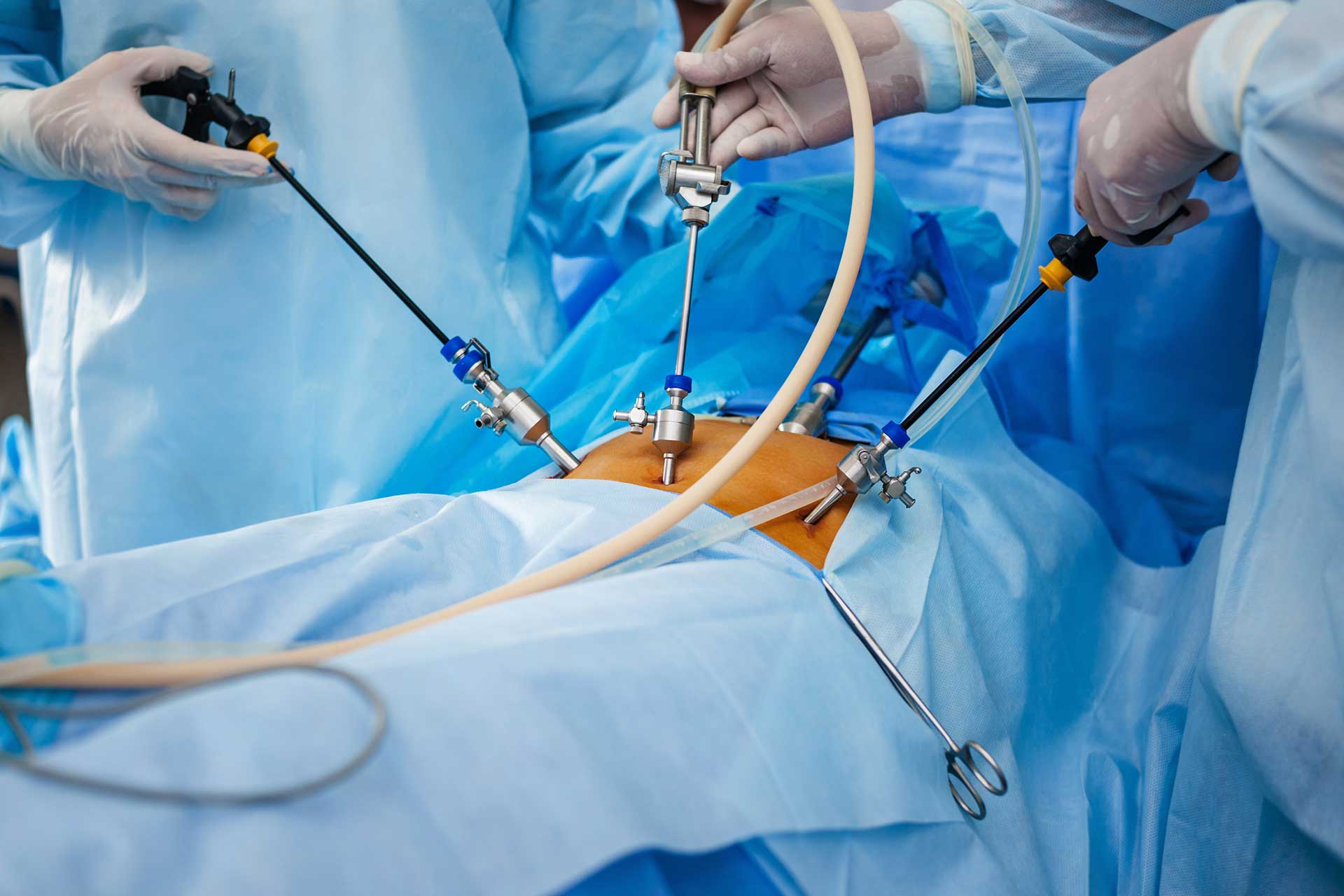


Abdominoperineal resection (APR) via laparoscopy is a surgical procedure performed to treat cancer located in the lower rectum or anus. This complex surgery involves the complete removal of the rectum, anus, and sigmoid colon. It is often followed by the creation of a stoma (an artificial opening) in the abdominal wall, called a colostomy, to divert waste through a pouch that collects bodily waste.
This procedure is typically performed to address malignant tumors in the rectum or anus. Following the removal of the affected parts, a stoma is created in the abdomen to allow waste to exit the body, collected in a specialized pouch.
Step 1: Preparing Surgical Access
A laparoscopic camera is inserted through a small incision in the abdomen.
Two to five additional small incisions are made to insert surgical instruments.
Step 2: Preparing the Sigmoid Colon and Rectum for Removal
Blood vessels supplying the diseased sections are carefully severed.
The sigmoid colon and rectum are detached from surrounding structures and ligaments.
The sigmoid colon is separated from the healthy portion of the large intestine.
Step 3: Removing the Anus
The rectum and sigmoid colon are removed through a perineal incision made in the area between the patient’s legs.
The anus is cut and permanently sealed.
Step 4: Creating the Stoma
A stoma is created on the left side of the abdomen.
The open end of the colon is pulled through a small skin incision and secured with sutures.
The abdominal cavity is cleaned, and all incisions are closed.
Length of Hospital Stay:
Recovery time in the hospital typically ranges from 5 to 7 days, depending on the patient’s condition.
Postoperative Care:
The patient starts with clear liquids and gradually progresses to solid foods as bowel function resumes, indicated by passing gas or waste through the stoma.
Training is provided on stoma care, including pouch management and cleaning.
Dr. Jonathan Miller from Mayo Clinic stated, "The surgery not only removes the tumor but ensures that waste elimination is managed safely and efficiently for a better quality of life."
Wound Infection:
Particularly at the perineal incision or stoma site.
Digestive Irregularities:
Persistent diarrhea or constipation.
Stoma Management:
Patients are trained to clean and care for the stoma, as well as replace the pouch when necessary.
Dietary Adjustments:
Avoid foods that cause gas or constipation.
Eat smaller, more frequent meals to ease digestion.
Dr. Jennifer Kennedy from Stanford University emphasized, "With proper care, most patients adapt well to life with a stoma and regain a sense of normalcy."
- Chemotherapy or Radiation:
To minimize the risk of cancer recurrence.
- Physical Therapy:
Focuses on regaining strength and mobility.
- Psychological Support:
Helps patients cope with physical and emotional changes.
Prevention and Long-Term Care
- Regular Screening:
Routine colonoscopy to detect potential new tumors.
- Dietary Management:
Avoiding high-fiber foods to prevent stoma blockages.
- Quit Smoking:
To reduce the risk of postoperative complications.
Dr. Mark Davidson from Cleveland Clinic highlighted, "Adhering to medical guidance significantly lowers the risk of recurrence and improves overall quality of life."