Diabetes: Symptoms, Causes, Treatment, and Prevention

2024-12-14


Diabetes is one of the most common chronic diseases worldwide, a disorder that affects the body's ability to effectively use glucose (sugar) due to a disruption in the production or function of insulin, a hormone secreted by the pancreas. It poses a threat to millions of lives, but a deep understanding of the condition helps in early diagnosis and effective management.
Below is a comprehensive guide to understanding diabetes, covering symptoms, causes, types, prevention, and treatment, according to the Cleveland Clinic.
Diabetes encompasses several disorders that affect carbohydrate metabolism, the process by which the body converts food into energy. It occurs due to insufficient insulin production or cellular resistance to insulin, leading to glucose accumulation in the bloodstream instead of being distributed to cells for energy.
Normal Metabolism Process:
• When consuming carbohydrates like bread and rice, they gradually break down in the digestive system into simple sugars.
• These sugars are absorbed into the bloodstream, where insulin regulates their use or storage.
• If this process malfunctions, glucose accumulates in the blood, leading to diabetes.
Symptoms of Diabetes
Symptoms vary based on the type of diabetes but generally include:
• Excessive thirst.
• Frequent urination.
• Intense hunger despite eating.
• Unexplained weight loss.
• Extreme fatigue.
• Blurred vision.
• Slow-healing wounds.
• Frequent infections, especially in the skin, gums, or urinary tract.
Type 1 Diabetes:
• Cause: The immune system attacks insulin-producing cells in the pancreas.
• Age: Often develops in childhood or adolescence.
• Treatment: Requires external insulin.
Type 2 Diabetes:
• Cause: Insulin resistance combined with insufficient insulin production.
• Age: More common in adults but increasingly seen in younger individuals due to obesity.
• Treatment: Lifestyle modifications, oral medications, or insulin.
Gestational Diabetes:
• Cause: Hormonal changes during pregnancy.
• Effect: Usually resolves after delivery but increases the risk of developing type 2 diabetes later.
General Factors:
• Obesity.
• Lack of physical activity.
• Unhealthy diet (e.g., processed and sugar-rich foods).
• Family history.
Specific Factors:
• Type 1: Autoimmune or genetic factors.
• Type 2: Insulin resistance due to fat accumulation around organs.
• Gestational Diabetes: Hormonal interference with insulin function during pregnancy.
Blood Tests:
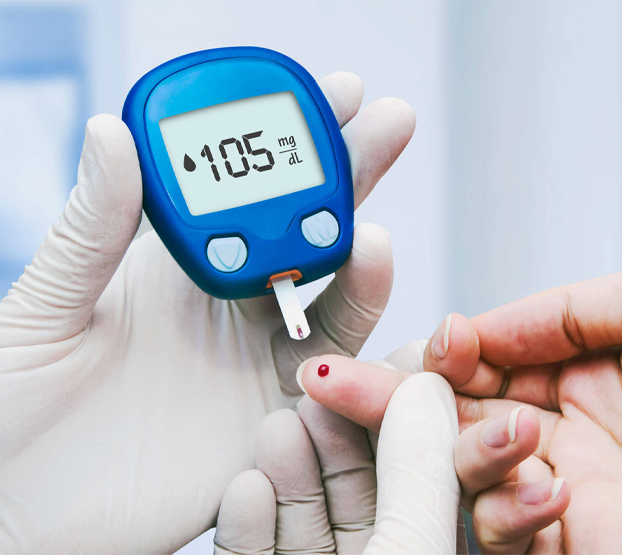
• Fasting Glucose Test: Measures sugar levels after an 8-hour fast.
• A1C Test: Reflects average blood sugar levels over the past three months.
Gestational Diabetes Tests:
• Glucose challenge test involves measuring sugar levels after consuming a glucose solution.
Glucose Tolerance Test:
• Detects prediabetes or early-stage diabetes.
1. Type 1 Diabetes:
• Daily insulin injections.
• Continuous glucose monitoring using modern devices.
• A balanced diet tailored to maintain stable glucose levels.
2. Type 2 Diabetes:
Managing lifestyle through:
• Healthy Diet: Reducing carbohydrates and sugars.
• Exercise: Regular physical activities like walking for 30 minutes daily.
• Weight Loss: Reduces insulin resistance.
• Medications: Oral drugs like metformin or sulfonylureas.
• In some cases, insulin therapy may be required.
3. Gestational Diabetes:
• Monitoring blood sugar daily.
• Adjusting dietary habits.
• Insulin therapy if necessary.
If not managed properly, diabetes can lead to severe complications, including:
• Cardiovascular diseases.
• Nerve damage.
• Kidney damage.
• Vision problems.
• Foot ulcers that may require amputation.
While type 1 diabetes cannot be prevented, type 2 diabetes and gestational diabetes can be avoided through:
• A healthy diet rich in vegetables and low in sugars and fats.
• Regular physical activity and exercise.
• Maintaining a healthy weight.
• Managing stress, which negatively impacts blood sugar levels.