Diarrhea: A Comprehensive Study and Modern Treatment Methods

2024-12-07
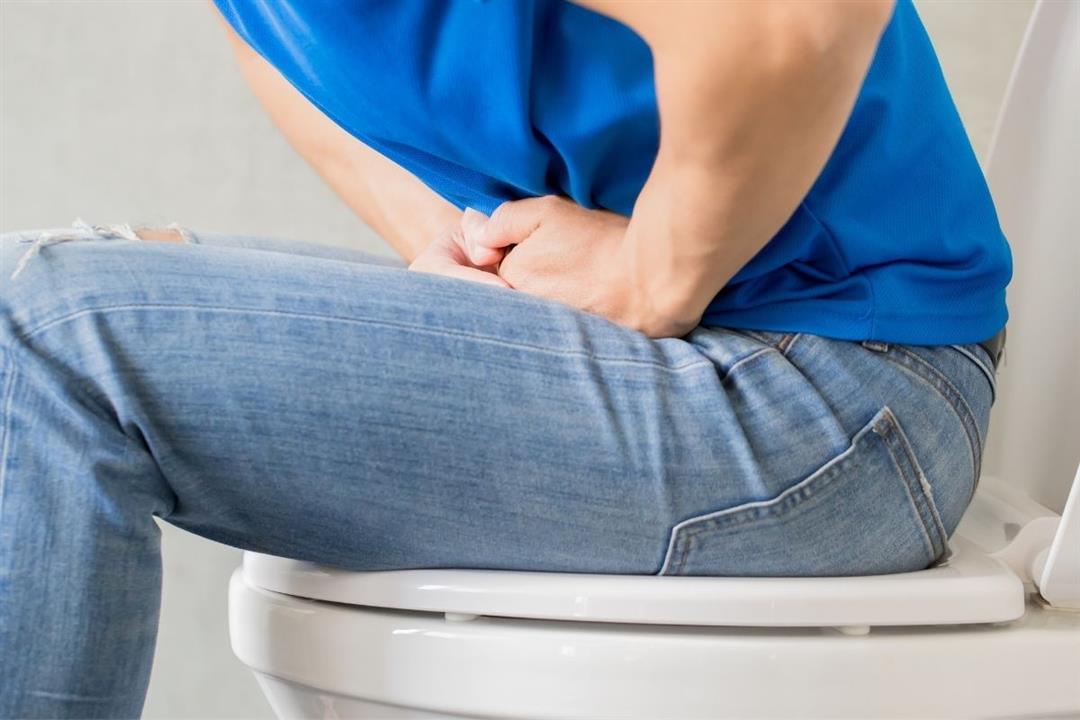


Diarrhea is a common condition that affects many people frequently, characterized by loose or watery stools. In most cases, diarrhea is not dangerous and lasts for a short period (from two to three days), and can be treated with over-the-counter medications. However, chronic or severe diarrhea can lead to a significant loss of fluids and essential electrolytes that the body needs to perform its normal functions, posing health risks, particularly for vulnerable groups such as children, the elderly, and the immunocompromised.
Blood, mucus, or undigested food in the stool.
Diarrhea lasting more than 24 hours, or accompanied by fever or blood in the stool, is an indication of a more serious health condition that requires a doctor's visit.
The causes of diarrhea are numerous, including:
How is Diarrhea Treated?
Over-the-Counter Medications:
Pepto-Bismol.
Imodium.
Kaopectate. These medications work by slowing down intestinal movement and absorbing water from the stool, thus alleviating diarrhea symptoms.
Take two tablespoons of Pepto-Bismol or Kaopectate after each occurrence of loose stools.
Increase Fluid Intake: It's important to replenish the body with fluids like water, diluted fruit juices, or sports drinks.
Avoid foods that cause gas: Such as beans and cabbage.
Sitz bath: Sit in warm water to alleviate pain.
Chronic diarrhea can lead to severe dehydration, causing the body to lose vital fluids and electrolytes necessary for normal functions. If the condition does not improve or is accompanied by symptoms such as:
In these cases, patients should contact healthcare providers immediately.
- "The Role of Probiotics in Diarrhea Treatment" – American Journal of Gastroenterology. This study highlights that live probiotics may help treat diarrhea caused by antibiotics.
- "Diarrhea and Gut Health" – The Journal of Clinical Investigation. This study discusses the long-term health effects of chronic diarrhea and how to avoid complications through proper treatment.
- "Hydration and Electrolyte Management in Diarrhea" – International Journal of Pediatric Obesity. The study provides insights on effective ways to manage dehydration caused by diarrhea, especially in vulnerable groups like children and the elderly.
- Dr. Michael Green, Gastroenterologist at Harvard Medical School Hospital: "Diarrhea may seem like a minor issue initially, but if it persists for a long time or is accompanied by severe symptoms such as fever or blood in the stool, it should be addressed cautiously to prevent complications like severe dehydration."
- Dr. Sarah Robinson, Pediatric Gastroenterologist at Johns Hopkins Hospital: "Managing diarrhea in children requires special attention, especially in cases of dehydration, where it's crucial to monitor fluid intake and ensure that the child recovers properly."