Sciatica... Causes, symptoms and treatment

2024-12-14
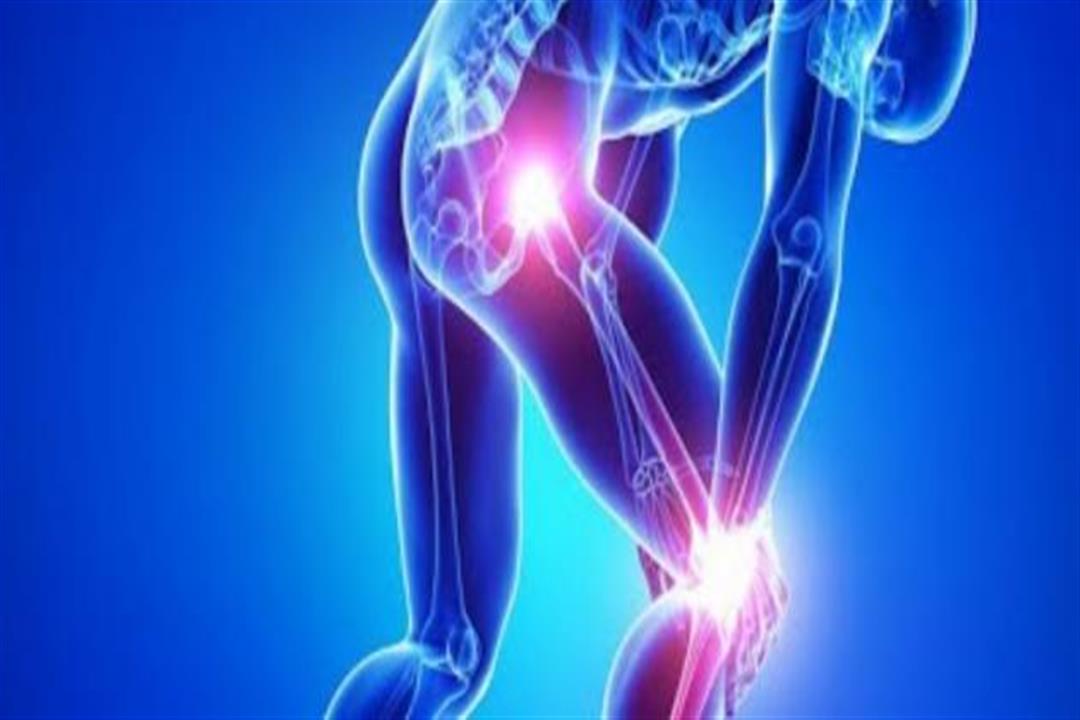


Sciatica is a term used to describe a group of symptoms that are characterized by pain along the sciatic nerve, which is the longest and widest nerve in the human body, and people with this condition suffer from severe pain that starts in the lower back or hip and extends to the legs.
Sciatica is not considered a disease in itself, but the symptoms associated with it can significantly affect the quality of life, and in this article, we will address the causes that lead to sciatica, how to diagnose it, in addition to the treatments available to relieve pain and improve the patient's health condition.
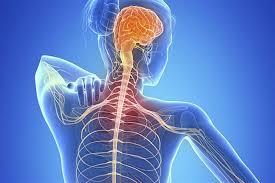
Sciatica is pain caused by pressure or irritation that occurs to the sciatic nerve, the sciatic nerve consists of several intertwined nerves that start from the spinal cord in the lower back and travel through the hips and buttocks, then extend to the lower legs.
When this nerve is compressed or inflamed, it causes pain that radiates from the lower back to the leg, and can be accompanied by numbness or weakness in the legs, some people experience mild pain, while others experience severe pain that requires urgent medical intervention.
There are many causes of sciatica, but the most common cause is a herniated disc, where part of the cartilage slipped between the vertebrae presses on the sciatic nerve.
According to the Mayo Clinic website, sciatica can be caused by narrowing the spaces between the vertebrae or what is known as spondylolisthesis, which presses on the sciatic nerve, and inflammation or swelling in the lower back can play a role in irritating the sciatic nerve, which leads to the onset of uncomfortable symptoms.
In addition, the American Journal of Orthopedic Surgery notes that back injuries, such as sprained muscles or ligaments, may contribute to increased pressure on the sciatic nerve, leading to the development of sciatica.
Other contributing factors include obesity, physical inactivity, and aging, as weight gain puts additional pressure on the vertebrae and nerves in the lower back.
Sciatica symptoms vary from person to person, but the most common symptoms include:
Lower back pain: The pain can start in the lower back and gradually increase to radiate to the hip and leg.
Sharp or dull pain in the leg: The sufferer may feel a burning or electrical pain in the legs that extends from the lower back to the foot.
Numbness and weakness in the leg: In some cases, the patient may experience numbness or muscle weakness in the leg, which may affect their ability to walk or perform daily activities.
Pain worsens with certain movements: Such as sitting for long periods of time, bending forward, or coughing.
According to the British Journal of Orthopedic Surgery, the clinical examination may include checking muscle strength and numbness in the legs to detect whether the sciatic nerve is pinched, and imaging tests such as X-rays or magnetic resonance imaging (MRI) may be ordered to detect any damage to the vertebrae or cartilage.
There are many treatment options available to relieve sciatica pain, and in most cases, treatment begins with non-surgical measures, such as:
Pain-relieving medications: Medications such as non-steroidal anti-inflammatory drugs (NSAIDs) help reduce the pain and inflammation associated with sciatica.
According to the American Journal of Orthopaedic Surgery, medications can be used to relieve acute symptoms.
Physiotherapy: Includes therapeutic exercises aimed at strengthening the muscles surrounding the vertebrae, which can help relieve pressure on the sciatic nerve.
Injections: In some cases, your doctor may recommend injecting steroids around the affected nerve to reduce inflammation and relieve pain.
Surgery: In rare cases, if the pain persists for a long time or there are severe neurological issues, surgery may be recommended such as removing a slipped disc or decompressing the sciatic nerve.
Besides medical treatments, there are some steps that can help manage sciatica better:
Light exercise: Regular physical activity such as walking or swimming can help promote overall health and relieve the pressure of the vertebrae on the nerves.
Maintain a healthy weight: Losing excess weight helps reduce pressure on the back and sciatic nerve.
Avoid sitting for long periods of time: Move regularly and make sure to maintain good posture while working or driving.
Keywords: , ,