Peripheral Neuropathy: Causes, Symptoms, and Treatment

2024-12-13


According to a report published in The Lancet Neurology in 2023, peripheral neuropathy is among the most common neurological disorders worldwide, affecting approximately 5–7% of the population.
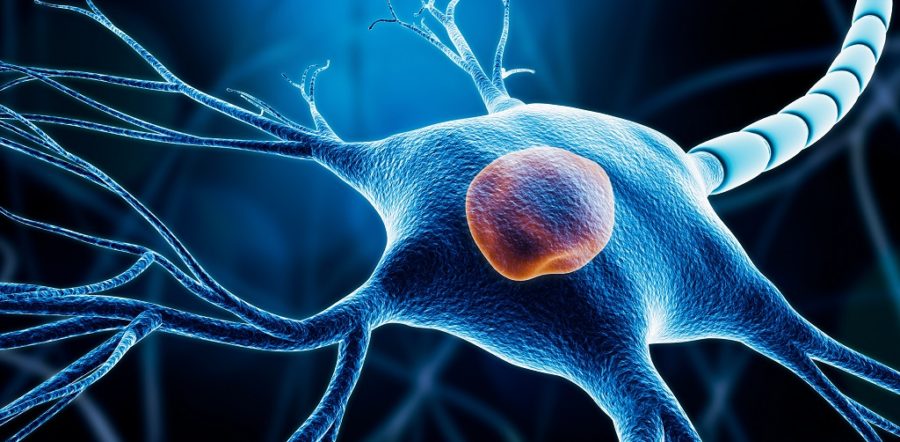
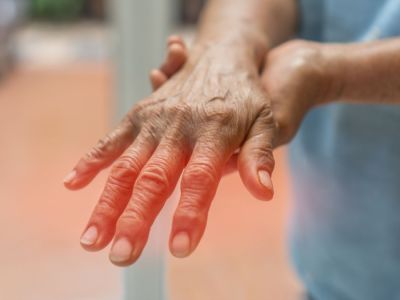
This condition damages the peripheral nerves that connect the central nervous system to the limbs, leading to symptoms such as pain, numbness, and muscle weakness. Dr. Elizabeth Parker, Professor of Neurology at Harvard University, stated, "This disease poses a significant medical challenge due to its multiple causes and the difficulty of treatment in some cases."
Peripheral neuropathy is a condition affecting the peripheral nerves, including sensory, motor, and autonomic nerves. According to Nature Reviews Neurology, it is also referred to as "polyneuropathy" or "length-dependent symmetrical peripheral neuropathy."
1. Motor Symptoms
2. Sensory Symptoms
3. Autonomic Symptoms
Dr. Jonathan Carter, a neurology consultant at Mayo Clinic, emphasized, "Peripheral neuropathy can arise from a wide range of causes, with diabetes being the most prominent." Other causes include:
1. Diabetes: The leading cause, stemming from prolonged high blood sugar levels.
2. Vitamin Deficiency: Especially Vitamin B12 deficiency.
3. Vascular Disorders: Reduced blood flow causing nerve damage.
4. Excessive Alcohol Consumption: Leading to nerve deterioration over time.
5. Certain Medications: Such as chemotherapy drugs.
The diagnostic process involves multiple tests to determine the cause and severity of the condition:
Treatment for peripheral neuropathy focuses on managing the underlying cause and alleviating symptoms. According to a study published in the Journal of Peripheral Nervous System:
1. Medications: Such as gabapentin and pregabalin to relieve nerve pain.
2. Topical Treatments: Including creams with lidocaine.
3. Non-Pharmacological Interventions: Such as physical therapy, proper foot care, and appropriate footwear.
Dr. Barbara Clark, a neurology consultant at Cleveland Clinic, highlighted, "Early diagnosis and prompt intervention are key to improving patients' quality of life." She also recommended patient education to prevent complications, particularly for those with diabetes.