Sepsis... A serious condition you shouldn't ignore

2024-12-09
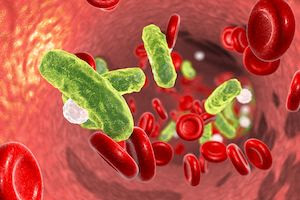


Sepsis, also known as sepsis, is a serious medical condition that threatens human life. This disease occurs when an infection spreads rapidly in the body and affects the functions of vital organs.
Sepsis is one of the leading causes of death in hospitals around the world, so it is important to understand the causes that lead to it, the symptoms that may appear in the patient, and the available treatment methods.
In this article, we will learn about what sepsis is, what causes it, the symptoms associated with it, and treatment and prevention methods supported by reliable sources.
Hematitis or sepsis is the body's overreaction to an infection. When the body becomes infected with a particular infection, the immune system begins to fight off the bacteria or virus causing the disease, but sometimes, an infection can trigger an abnormal response in the body, leading to widespread inflammation throughout the body.
This inflammation can lead to failure of vital organs such as the liver, kidneys, lungs, and heart.
According to the World Health Organization, sepsis is estimated to affect more than 30 million people annually worldwide, making it one of the most serious health conditions requiring urgent medical intervention.
Sepsis is usually caused by a bacterial infection, but it can also be caused by viruses or fungi:
Bacterial infection: Bacterial infection is the most common cause of sepsis. The infection can start anywhere in the body such as the lungs (pneumonia), urinary tract (urinary tract infection), or skin (wound infection), and in rare cases, the infection may be transmitted from surgical wounds or medical devices such as catheters.
Viral infections: In some cases, a virus may lead to a blood infection. Some of the most common viruses that can cause sepsis are Influenza viruses, and viruses such as human immunodeficiency virus (HIV) and coronavirus (COVID-19).
Fungal infections: Fungal infections are a rare but possible cause of sepsis. It occurs mainly in people with weakened immune systems.
Serious cuts or burns: Deep cuts or severe burns can lead to sepsis, especially if the wound is not properly treated.
Weakened immune system: People with weakened immune systems, such as cancer patients or patients with uncontrolled diabetes, are more likely to develop sepsis, according to the Mayo Clinic.
Pay attention to the early symptoms of sepsis to avoid worsening the condition. Common symptoms include:
According to the Journal of Emergency Medicine, about 40% of sepsis patients experience mental disturbances or mental confusion, which is a serious symptom that may indicate a worsening of the condition.
Sepsis is diagnosed by a thorough medical examination. The examination often includes:
Clinical examination: The doctor examines the patient to check for symptoms such as fever, rapid heartbeat, and difficulty breathing.
Blood tests: These include tests to determine the presence of an infection in the blood and to check the oxygen level in the body.
Additional scans or tests: X-rays or CT scans may be ordered to confirm the location of the infection.
Inflammation of the blood is a medical emergency that requires rapid intervention, and treatment depends on the underlying cause of the infection and the severity of the condition:
- Antibiotics: In the case of a bacterial infection, sepsis is treated with antibiotics, and treatment should be started as soon as possible to minimize the progression of the condition.
- Antifungal or antiviral medications: If the infection is caused by a fungus or virus, medications specific to these species are used.
- Supportive therapy: The patient may need organ function support such as the use of oxygen or dialysis in cases of organ failure.
- Surgical intervention: In some cases, surgical intervention may be required to remove the source of the infection, such as removing abscesses or draining the infection from internal organs.
Prevention of hematitis is critical, especially for people at higher risk, some measures can be taken to prevent infection: