Study Highlights Genetic Basis of Chronic Obstructive Pulmonary Disease (COPD)

2024-12-09
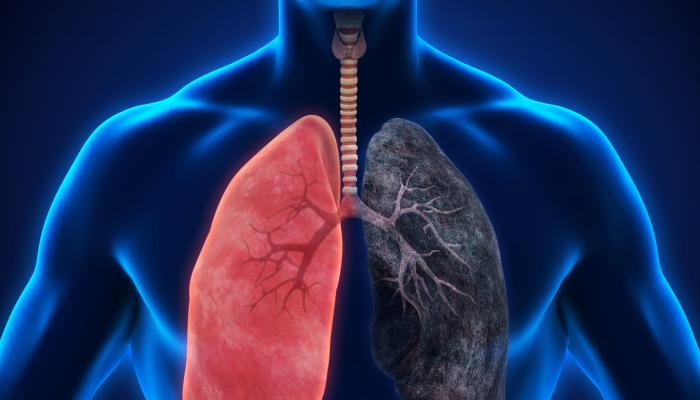


A recent study conducted by the Karolinska Institute in Sweden has found that genetic variants associated with COPD in adults significantly affect lung function in children and adolescents. These findings challenge the conventional belief that COPD arises primarily due to environmental factors such as smoking, emphasizing that its roots may trace back to early childhood.
The study, published in eClinicalMedicine in August 2024, analyzed data from 112,000 participants across 15 European centers. Researchers identified 82 genetic variants linked to COPD in adults and examined their effects on lung function in over 45,000 children and young adults aged 4 to 50 years.
The findings revealed that these genetic variants significantly influence lung function in early childhood, independent of environmental factors like smoking or gender. Professor Erik Melén, the study's lead researcher, emphasized that these results challenge the traditional view of COPD as merely a "smoker's disease" and highlight the need for early detection and intervention in genetically at-risk individuals.
The researchers employed the concept of a "genetic risk score" to estimate the impact of genetic factors on lung function.
They found that approximately 6% of the variability in lung function could be attributed to genetic factors. Although the study focused on European participants, it sets the stage for future research involving other ethnic groups.
In a complementary study published in The Lancet in March 2024, researchers reported that lung development begins in the womb, peaks in early adulthood, and gradually declines due to natural aging. This process can be influenced by both genetic and environmental factors, leading to variations in lung health among individuals.
The study found that below-average lung function levels from an early age are linked to increased risks of respiratory diseases, cardiovascular conditions, and even premature death.
Building on these findings, researchers plan to develop strategies for early detection of COPD risk. These strategies may include incorporating lung function assessments into routine health checkups for children, similar to current practices of monitoring height and weight. Early identification of at-risk individuals could enable targeted interventions to prevent the disease from developing later in life.
Background on COPD
COPD is a leading cause of death and health deterioration worldwide, according to the World Health Organization (WHO). It is characterized by airflow obstruction and breathing difficulties caused by lung damage. Symptoms include chronic coughing, shortness of breath, fatigue, and wheezing.
While smoking is the primary risk factor, other contributors such as air pollution, recurrent respiratory infections, and genetic predisposition also play significant roles.
Individuals diagnosed with COPD can improve their condition through simple lifestyle changes, such as engaging in moderate exercise, adopting a healthy diet, and structuring daily activities to avoid stress. Additionally, psychological and social support are crucial for enhancing patients' ability to cope with the disease.
Follow the treatment plan prescribed by the doctor.
Practice breathing exercises to improve lung efficiency.
Seek support from family and friends.
Prioritize adequate sleep and a balanced diet.
These studies underscore the importance of scientific research in uncovering the roots of chronic diseases like COPD.
By integrating genetic insights with preventive measures, healthcare providers can improve lung health outcomes and reduce the progression of the disease in the future.