Thalassemia: A Genetic Disorder That Affects the Lives of Millions

2024-12-10


Thalassemia is one of the genetic disorders that significantly affect blood and human health. Although it may be less known compared to some other diseases, thalassemia is quite common in certain regions of the world, especially in areas with populations originating from the Mediterranean basin, Southeast Asia, and parts of Africa.
Thalassemia is a group of genetic disorders that affect hemoglobin in the blood, the protein responsible for carrying oxygen throughout the body. This condition leads to the production of abnormal red blood cells or a deficiency in healthy red blood cells, resulting in chronic anemia.
Thalassemia is primarily categorized into two main types: alpha thalassemia and beta thalassemia, depending on the affected gene. In alpha thalassemia, the problem occurs when the protein that makes up hemoglobin is not produced sufficiently, while in beta thalassemia, there is a deficiency in the production of beta-globin chains of hemoglobin.
Studies indicate that thalassemia affects about 1 in every 100,000 people globally, but in some regions, such as North Africa and Southeast Asia, the incidence is much higher, according to the National Cancer Institute.
Thalassemia is an inherited disease, meaning it is passed from parents to children through genes. People with thalassemia have an abnormal gene (mutation) that is inherited from their parents. In the case of alpha thalassemia, the defective gene is passed from one parent, while in beta thalassemia, the child needs to inherit the defective gene from both parents.
Individuals who carry the thalassemia gene (i.e., have one copy of the mutated gene) may not exhibit any symptoms, but they can pass the disease to their children if the other parent also carries the same mutated gene.
The severity of thalassemia symptoms depends on the type of the disease and how much the body is affected. Some common symptoms include:
Anemia: This is the main symptom of thalassemia, where the patient feels continuously fatigued and weak due to the lack of healthy red blood cells that carry oxygen.
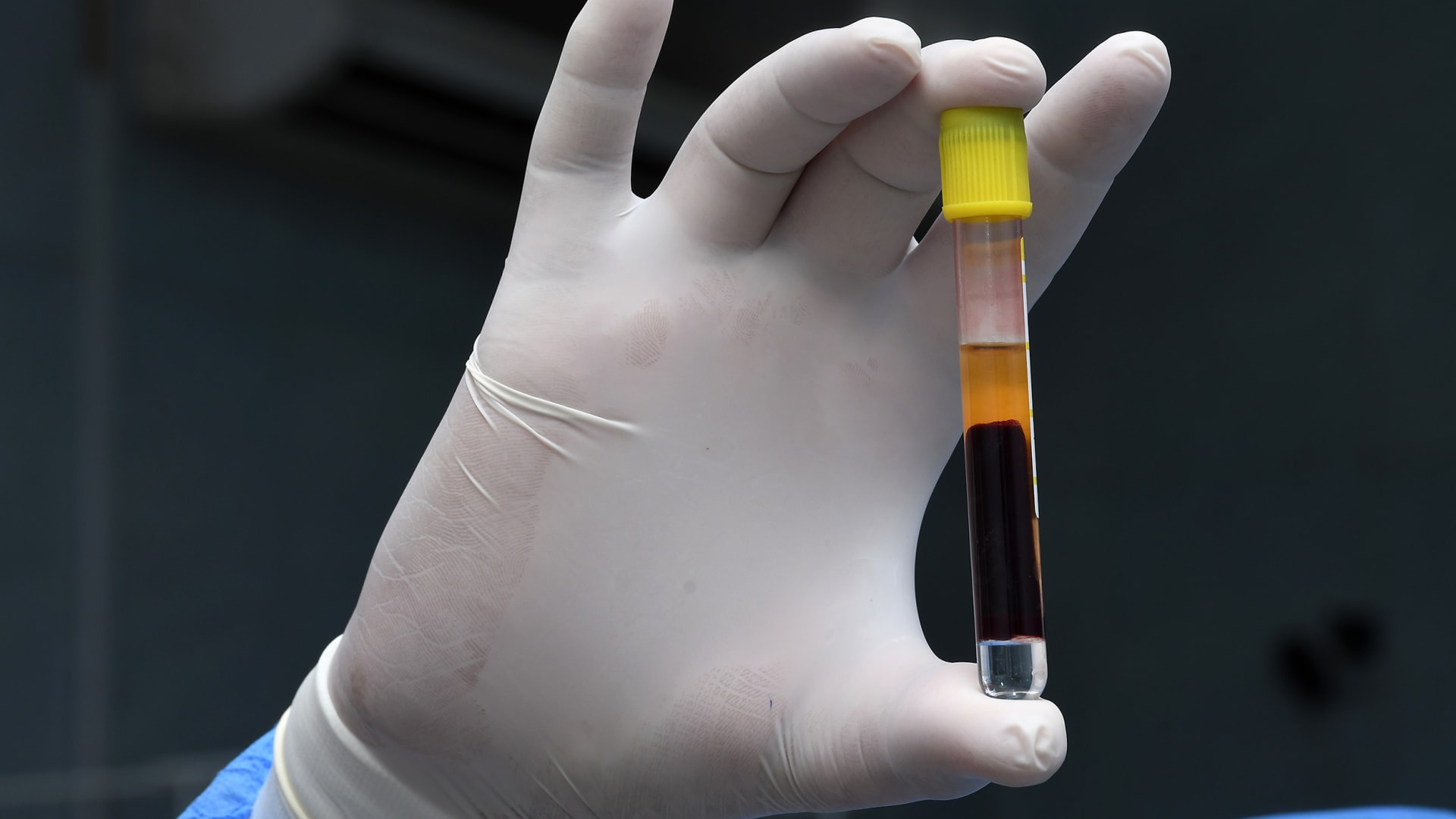
Thalassemia is diagnosed through a range of laboratory tests, such as:
Blood tests: To detect the number of red blood cells, measure hemoglobin levels, and check for abnormal red blood cells.
Currently, there is no definitive cure for thalassemia, but several treatment options are available to manage the disease and improve quality of life:
Regular blood transfusions: Blood transfusions are a core treatment for thalassemia patients, as they help replace lost red blood cells and improve hemoglobin levels. Patients may need regular transfusion sessions to maintain their hemoglobin levels.
Genetic Screening Before Marriage
In regions where thalassemia is prevalent, genetic screening before marriage is recommended to detect thalassemia carriers. This screening helps in making informed decisions regarding reproduction and preventing the disease from passing to future generations.
Future Challenges
Despite advancements in treatments, thalassemia remains a significant challenge in some communities, particularly in low- and middle-income countries where advanced medical care may be lacking. Research into gene therapy and new treatments is an important area to improve patient outcomes and reduce the impact of the disease.
Thalassemia is a genetic disease that requires early diagnosis and ongoing medical care to improve the quality of life for patients. While the disease requires comprehensive management, early detection and awareness are crucial steps to mitigate the negative impact of this genetic disorder.