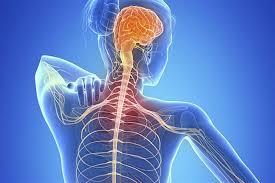
Trigeminal Neuralgia: Symptoms, Causes, and Treatment

2024-12-07
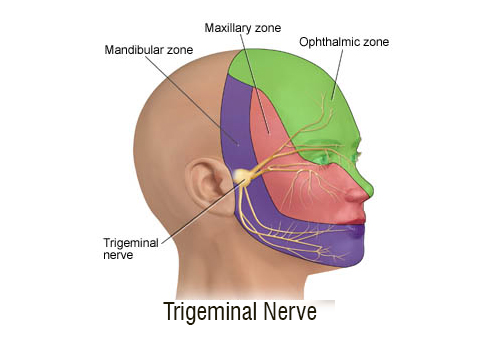


Trigeminal neuralgia is a chronic neurological condition that causes severe facial pain. The pain can be intense enough to interfere with daily activities like talking, chewing, or brushing teeth.
According to Cleveland Clinic, the pain may be intermittent or persistent and typically affects one side of the face, often the right side. In rare cases, it may affect both sides but not simultaneously.
Types of Trigeminal Neuralgia
1. Typical Trigeminal Neuralgia (Type 1):
Causes sharp, severe pain episodes.
Episodes are short-lived (lasting up to two minutes) and occur intermittently.
Attacks may last for a few hours with periods of relief in between.
2. Atypical Trigeminal Neuralgia (Type 2):
The pain is less intense but continuous and more widespread.
Symptoms of this type are harder to manage.
Causes of Trigeminal Neuralgia
Vascular Compression:
Occurs when a blood vessel compresses the nerve near the brainstem.
Neurological Conditions:
Diseases like multiple sclerosis can damage the protective myelin sheath.
Tumors or Lesions:
Pressure on the nerve from tumors or lesions.
Nerve Damage:
Resulting from surgery, facial trauma, or stroke.
Idiopathic Causes:
In some cases, the exact cause cannot be determined.
Symptoms of Trigeminal Neuralgia
Sharp, stabbing pain episodes.
Burning sensations on one side of the face.
Pain triggered by simple activities such as talking or chewing.
Jaw and cheek symptoms:
-Tingling or numbness.
-Brief, intense pain.
-Persistent, mild pain.
Diagnosis of Trigeminal Neuralgia
1. Medical History and Physical Exam:
The doctor discusses symptoms, pain type, location, and triggers.
2. Neurological Examination:
Evaluates brain and motor system nerve function.
3. MRI Scans:
Used to rule out multiple sclerosis, tumors, or other conditions.
Treatment for Trigeminal Neuralgia
Medications:
Anticonvulsants:
First-line treatment to alleviate pain.
May cause side effects like nausea or dizziness.
Tricyclic Antidepressants:
Effective, particularly for Type 2 neuralgia.
Muscle Relaxants:
To reduce muscle spasms.
Nerve Blocks:
Botox injections for temporary relief.
Surgical Options:
Surgery is an option for patients who do not respond to medications. Procedures include:
Balloon Compression:
A small balloon is inserted to damage pain-causing nerve fibers.
Provides relief for up to two years.
Glycerol Injections:
Destroys nerve roots responsible for transmitting pain.
Relief lasts up to two years.
Radiofrequency Ablation:
Uses an electric current to destroy nerve fibers.
Pain may recur after 3-4 years.
Microvascular Decompression:
A cushion is placed between the nerve and blood vessel to relieve pressure.
Offers long-term relief, up to 10 years.
Nerve Resection:
Involves cutting part of the nerve when no specific cause is found.
Stereotactic Radiosurgery:
Targets the trigeminal nerve with focused radiation to block pain signals.
Effective for up to 3 years.
Complementary Treatments:
Physical Therapy:
Improves facial mobility and reduces tension.
Acupuncture:
May provide pain relief.
Stress Management and Relaxation Techniques:
Helps in reducing pain intensity by managing stress levels.