Urine counting... The most common urinary tract disease

2024-12-10
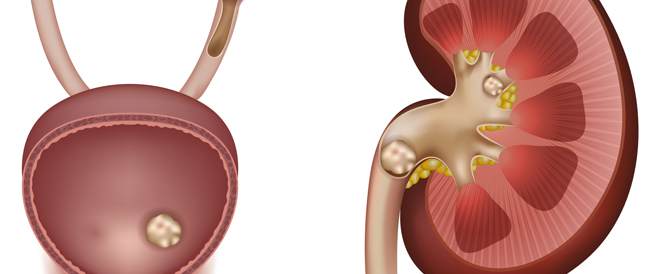


Urolithiasis is one of the most common diseases of the urinary system, a condition in which stones form inside the kidneys, bladder or urinary tract, and although many people suffer from this disease without realizing it, urolithiasis can cause severe pain and serious health complications if it is not diagnosed and treated in a timely manner.
In this article, we will discuss the causes, symptoms, diagnosis, and treatment of urolithiasis, as well as some preventive tips that can help minimize the risk of developing it.
Urolithiasis is a medical condition in which hard stones form inside the urinary tract. These stones are usually made up of calcium compounds, but may also consist of uric acid, oxalates, or other substances found in the urine.
Stones range in size, from very small stones that may pass out of the body without causing symptoms, to large stones that can block the urinary tract, leading to severe pain and other health issues.
According to Mayo Clinic studies, urolithiasis affects about 10-15% of people worldwide, and is more common in men in their 20s to 40s.
Lack of water intake: One of the leading causes of urolithiasis is lack of fluid intake, which concentrates urine and increases the concentration of stone-forming substances. According to a study published by the American Urological Association (AUA), people who do not drink enough water are at risk of developing urolithiasis, according to a study published by the American Urological Association (AUA), people who do not drink sufficient amounts of water are more likely to develop urolithiasis.
Heredity: Genetic factors play an important role in the development of urinary stones. If you have a family history of urinary stones, you may be more likely to develop them.
Diseases and disorders: Certain health conditions, such as hyperparathyroidism or gout, may increase the likelihood of stone formation, and diseases such as inflammatory bowel disease or intestinal disease may lead to changes in the composition of urine and encourage stone formation.
An unhealthy diet: Eating large amounts of oxalate-rich foods, such as spinach and nuts, or foods high in sodium may increase the risk of kidney stones, according to a study from the U.S. National Institute of Kidney and Urinary Tract Health.
Excessive calcium supplements: Although calcium is an important nutrient, excessive calcium intake can increase its concentration in the urine, increasing the likelihood of kidney stones.
Severe pain in the lower back or side of the body: You may feel a burning sensation or sharp pain, especially when the stones pass through the ureter.
Difficulty or frequent urination: The person feels an urgent need to urinate, and may experience difficulty or pain while urinating.
Blood in the urine: The urine may appear pink or red in color due to the presence of blood in the urine due to stones.
Nausea and vomiting: In some cases, urolithiasis may be accompanied by other symptoms such as nausea and vomiting due to severe pain.
If the stones are small, they may pass out of the body easily without causing pain or noticeable symptoms, however, large stones may cause blockage of the urinary tract, leading to severe pain and other complications such as infection or kidney damage.
Urinalysis: To check for the presence of substances that may indicate the presence of stones.
X-ray or CT scan: To determine the size and location of stones in the urinary tract.
Ultrasound: To examine the kidneys and bladder.
Drug therapy: Doctors use medications to relieve pain and help break up small stones.
Surgical treatment: If the stones are large or painful, the patient may need surgery or techniques such as ultrasound lithotripsy (ESWL).
Drink plenty of water: Drinking plenty of water can help make it easier for small stones to pass.
Drink adequate amounts of water: It is recommended to drink at least 2-3 liters of water per day to reduce the concentration of substances that may form stones.
Eat a healthy diet: Reducing the intake of foods high in oxalate and sodium can reduce the risk of stone formation.
Exercise regularly: Maintaining a healthy weight helps reduce the likelihood of stones.