Weak Immune System: Causes, Symptoms, and Treatment Methods

2024-12-08


The immune system is one of the most important systems in the body, playing a vital role in defending the body against infections and diseases.
, sometimes a person may suffer from a weakened immune system, which leads to decreased effectiveness in fighting pathogens such as viruses, bacteria, and fungi. A weakened immune system can be either acquired or inherited, which increases the individual's susceptibility to a variety of diseases. In this article, we will discuss the causes of a weakened immune system, the symptoms associated with it, and methods of prevention and treatment, supported by reliable sources.
A weakened immune system, or immunodeficiency, is a condition where the immune system fails to mount an effective response against pathogens. As a result, the body becomes more vulnerable to infections or diseases. Immunodeficiency can be caused by several factors, including genetic disorders, environmental factors, or acquired conditions due to certain diseases or medical treatments.
Genetic Disorders: Some genetic conditions directly affect the immune system, such as autoimmune disorders or Severe Combined Immunodeficiency (SCID). These conditions may prevent the body from effectively fighting infections.
Chronic Diseases: Chronic illnesses, such as diabetes, can negatively impact the immune system. For example, elevated blood sugar levels reduce the body's ability to resist infections. Additionally, HIV/AIDS is one of the main causes of immunodeficiency, as the virus destroys crucial immune cells like T-cells.
Medical Treatments: Some treatments, such as chemotherapy, immunosuppressive drugs used for autoimmune diseases like rheumatoid arthritis, and organ transplant medications, can temporarily weaken the immune system. According to the Mayo Clinic, organ transplants require the use of immunosuppressive drugs to prevent organ rejection, which increases the risk of infection.
Nutritional Deficiency: Deficiencies in essential nutrients like vitamin D, zinc, and iron can weaken the immune system, as these nutrients are vital in enhancing the body's response to diseases.
Psychological Stress: Studies have shown that psychological stress and mental strain can negatively affect the immune system. Chronic stress leads to the release of stress hormones like cortisol, which may reduce immune function.
Aging: As individuals age, the efficiency of the immune system decreases, making older adults more susceptible to infections and chronic diseases.
Frequent Infections: Individuals with a weakened immune system may experience infections more frequently, such as respiratory infections or skin infections.
Slow Healing: A person may take longer to recover from wounds or illnesses compared to those with a healthy immune system.
Persistent Fatigue: Constant fatigue without an apparent cause may be a symptom of immune weakness.
Frequent Fever: Recurrent fever without an obvious reason could indicate a weakened immune response.
Swollen Lymph Nodes: In some cases, lymph nodes may become swollen continuously as the body fights off infections.
According to the Journal of Immunological Disorders, individuals with a weakened immune system may also experience serious complications such as bloodstream infections or a faster deterioration of their health compared to individuals with a healthy immune system.
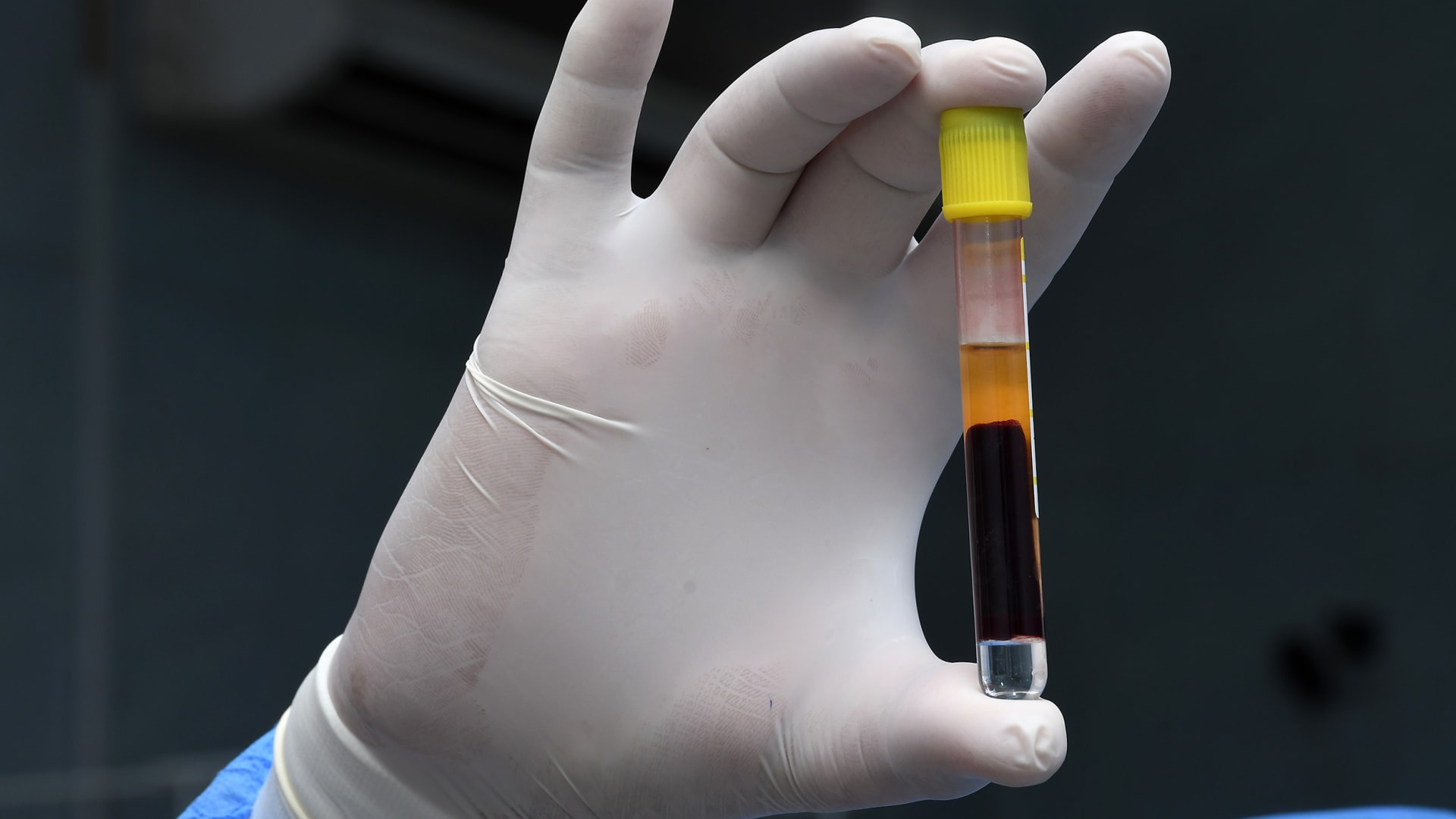
Blood Tests: These tests may assess white blood cell counts or measure the levels of certain vitamins and minerals in the blood.
Immunological Tests: A doctor may request tests to evaluate immune response, such as antibody tests or T-cell function tests.
Medical History Review: The doctor will also review the patient's medical history to determine any underlying conditions that may contribute to immune deficiency.
This diagnosis helps determine the appropriate treatment or intervention.
The treatment for a weakened immune system depends on the underlying cause of the condition. Available treatments include:
Medications: Patients may need immunosuppressive drugs or immune-enhancing medications in certain cases. For immune weakness related to chronic diseases, the individual may require comprehensive treatment, including medications to control the underlying condition.
Vaccines: Vaccination can help strengthen the immune system in individuals with a weakened immune system. For example, vaccines such as the flu vaccine or pneumococcal vaccine may be recommended to protect those more vulnerable to infections.
Proper Nutrition: Consuming foods rich in vitamins and minerals, such as vitamin C and zinc, can help enhance immune function. The doctor may recommend dietary supplements if there is a deficiency in essential nutrients.
Rest and Reducing Psychological Stress: Improving lifestyle by ensuring adequate rest and reducing stress and anxiety can help boost the immune system.
Good Nutrition: Eating balanced meals containing all the necessary nutrients.
Exercise: Moderate physical activity enhances the body's ability to resist diseases.
Stress Management: Techniques like meditation and yoga can help reduce stress.
Adequate Sleep: Getting sufficient sleep is essential for immune system health.
In conclusion, the immune system is one of the most important natural defenses against diseases, and we must all take necessary steps to maintain its strength.