Anal Rectal Itching: A Comprehensive Medical Study on Causes, Symptoms, and Treatment

2024-12-09
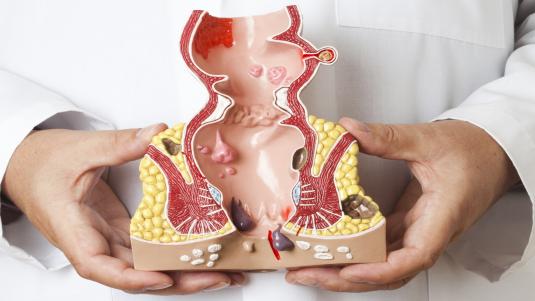


A recent study published in the Journal of Dermatology and Clinical Medicine in January 2024 delves into the latest research on anal rectal itching, exploring its causes, symptoms, and treatment methods. The study highlights the relationship between physical and psychological factors and their impact on the development of this condition.
Anal rectal itching is a dermatological condition characterized by an itching or pruritus sensation in the area around the anus, which tends to worsen at night or after bowel movements. This condition can lead to significant irritation, where the constant scratching worsens the redness and irritation instead of relieving it. What makes this condition even more problematic is the tendency to scratch the affected area forcefully with fingernails or use harsh chemicals, which aggravates the symptoms.
Certain factors can cause dryness and irritation around the anal area, leading to anal rectal itching. The use of soap containing harsh chemicals or abrasive toilet paper or wet wipes can dry out the skin and cause irritation. Excessive sweating or residual feces after a bowel movement may also contribute significantly to the irritation and itching. Moreover, environmental factors that affect skin sensitivity can also play a role in exacerbating this condition.
Anal rectal itching is divided into two main types:
Studies indicate that approximately 1-5% of the general population suffers from anal rectal itching. Men are more likely to experience this condition, with the likelihood being about four times higher in men compared to women. Primary anal itching accounts for 50-90% of all cases.
Anal rectal itching is not typically caused by poor hygiene habits but rather by the excessive use of soap or chemical products during anal cleaning. Other contributing factors include:
Diagnosis typically starts with a thorough patient history, including questions about bowel habits, diet, and any medications being taken. A physical examination follows to check for signs of skin infections or other underlying conditions. In some cases, a skin sample may be taken to test for bacterial or fungal infections. If pinworm infection is suspected in a child, a piece of surgical tape may be applied near the anus before bedtime to collect evidence of the worms or their eggs.
The treatment primarily focuses on improving hygiene practices and treating the underlying cause of the itching. Treatment methods include:
Topical Medications: Creams or ointments containing 1% hydrocortisone are commonly used to alleviate itching and inflammation.
Oral Medications: In cases where bacterial or fungal infections are present, antibiotics or antifungal medications may be prescribed.
Methylen Blue Injection: In advanced cases that do not respond to topical treatments, methylene blue injections may be used. The dye is injected under the skin around the anal area and is believed to relieve pain and itching by damaging nerve endings in the region.
Experts recommend the following personal care strategies to help manage anal rectal itching: