Early Detection of Breast Cancer: How to Perform a Self-Examination Effectively

2024-12-10


Breast cancer is one of the most common cancers among women, but the good news is that it is highly treatable if detected early. Regular self-examinations are a key step in monitoring your health and identifying any unusual changes.
Experts highlight that breast cancer often shows no clear symptoms in its early stages. Self-examinations are an effective way to detect potential issues, and being familiar with your body makes it easier to notice any new changes.
Early detection of abnormalities.
1. Good Lighting and a Mirror:
Stand in front of a well-lit mirror.
Observe the size and shape of your breasts.
2. Look for Visible Changes:
Are there dimples or skin puckering resembling an orange peel?
Has the skin color changed (redness or darkening)?
3. Check the Texture:
Use your fingertips to feel your breasts in circular motions.
Don’t forget to check the underarm area where breast tissue extends.
4. Watch for Warning Signs:
Unusual lumps or thickened areas.
Unexplained pain or swelling.
Abnormal nipple discharge (clear or bloody).
Note: Any suspicious changes warrant an immediate visit to your doctor.
Perform the check between days 3 and 7 of your cycle when breast tissue is softer.
Choose a fixed day each month for consistency.
Use reminders on your phone to stay on schedule.
- Incorporate the examination into your monthly routine.
- Understand the normal look and feel of your breasts for easier detection of changes.
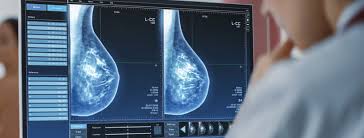
The Association of Professional Gynecologists (BVF) emphasizes that self-examinations cannot replace regular medical check-ups or mammograms, which remain the most accurate tools for early breast cancer detection.