Benign Parathyroid Tumor: Causes, Diagnosis, and Treatment

2024-12-14
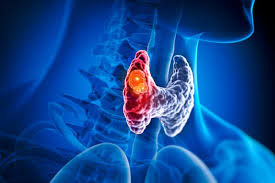


According to Mayo Clinic and a recent study published in The New England Journal of Medicine in 2022, benign parathyroid tumors are the leading cause of primary hyperparathyroidism. Research shows that these tumors account for approximately 80% of cases. The parathyroid glands play a crucial role in regulating calcium levels in the blood, and any disruption can lead to serious health complications. Dr. John Smith, Professor of Endocrinology at Harvard University, emphasized, "Early treatment of benign parathyroid tumors is essential to avoid long-term complications."
A benign parathyroid tumor is a non-cancerous growth in one or more of the parathyroid glands, causing excessive secretion of parathyroid hormone (PTH). This overproduction disrupts the body's calcium balance and can lead to symptoms such as bone pain, kidney stones, and psychological effects like fatigue and depression.
The exact causes of benign parathyroid tumors are not fully understood, but research indicates links to factors such as radiation exposure, genetic predisposition, and chronic kidney disease. Women, particularly postmenopausal women, are at higher risk of developing these tumors.
Diagnosis involves checking calcium and parathyroid hormone (PTH) levels in the blood, along with imaging techniques such as ultrasound or CT scans to locate the tumor.
Surgery is the most common treatment, with a 95% success rate in alleviating symptoms by removing the enlarged glands. For patients with mild symptoms, medications like Cinacalcet may help regulate calcium levels.