Respiratory Illness Season: How to Protect Yourself and Your Family

2024-12-14
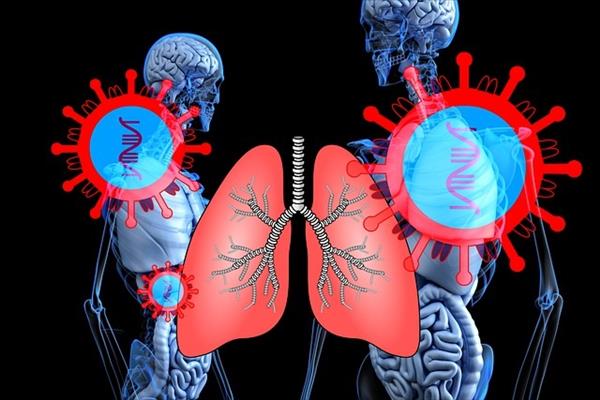


As autumn arrives, the weather changes, bringing a surge of respiratory illnesses that affect millions globally each year.
This period, often referred to as the "Respiratory Season," sees a sharp rise in infections such as the common cold, influenza, and respiratory syncytial virus (RSV), which can escalate to more severe conditions like pneumonia.
Based on insights from Cleveland Clinic, this guide simplifies the understanding of respiratory illness season and offers practical tips to prepare for it.
The "Respiratory Illness Season" is a time of the year when respiratory infections become significantly more prevalent. It typically begins in November, peaks during January and February, and concludes by March or April. Common illnesses during this season include:
-Common colds
-Sinus infections
-Ear infections
-Influenza
-Respiratory Syncytial Virus (RSV)
Several factors contribute to the seasonal surge of respiratory viruses during autumn and winter:
Colder temperatures: Cooler weather stabilizes certain viruses, making them more infectious.
Increased indoor time: People spend more time indoors, leading to closer contact and easier spread of infections.
School and daycare attendance: Children returning to schools and daycare facilities heighten germ transmission, bringing infections into homes.
Certain groups are more susceptible to severe complications from respiratory illnesses, including:
-Children under 5 years old, especially infants.
-Seniors over 60 years old.
Individuals with:
Chronic lung conditions like asthma or chronic obstructive pulmonary disease (COPD).
Heart diseases
Weakened immune systems due to conditions or treatments like chemotherapy.
Neurological disorders, such as Down syndrome.
Pregnant women.
How to Prepare for Respiratory Illness Season.
Hand hygiene is the most effective way to prevent the spread of infections, particularly:
-Before eating
-After coughing or sneezing
-Upon returning from public places
-If soap and water are unavailable, use an alcohol-based hand sanitizer.
Use a tissue and dispose of it immediately.
If tissues are unavailable, cover your mouth and nose with your elbow.
Wear a Mask
Wearing a mask is recommended if you have symptoms or are in crowded areas to protect others.
Stay Home When Sick
Avoid going to work or school until you recover to reduce the risk of spreading the illness.
Get Vaccinated
Flu Vaccine: Ideally, get the flu shot in October as it takes about two weeks to become effective.
COVID-19 Vaccine: Update your vaccinations in the fall.
Pneumococcal Vaccine: Protects against pneumonia, middle ear infections, and sinus infections.
RSV Vaccine: Available for seniors and certain at-risk young children.