Medical Research: True and Pseudocyst Pancreatic Cysts

2024-12-10
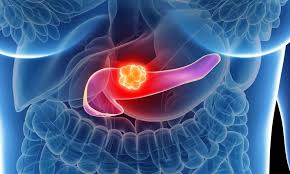


The pancreas is an important organ in the human body, serving as part of both the digestive and endocrine systems. It secretes powerful digestive enzymes and hormones that regulate blood glucose levels. The pancreas is located in the upper abdomen, beneath the liver, and is approximately 15.24 cm long. It is composed of three main parts: the head, which lies within the duodenum (the upper part of the small intestine); the elongated body; and the tail, which connects to the spleen. Like other organs, the pancreas is susceptible to certain diseases that can affect its function, one of which is pancreatic cysts, which can be either true or pseudocystic.
A true pancreatic cyst is a closed sac covered with epithelial tissue that contains fluid inside or around the pancreas. These cysts are rare and are typically associated with clear symptoms. They may be benign or malignant and require treatment depending on their type and size.
A pseudocyst pancreatic cyst is a type of cyst that does not have epithelial tissue covering it. Instead, it forms as a result of pancreatic inflammation and contains pancreatic fluid affected by inflammation or semi-solid material. It is termed "pseudocyst" because it is not lined with epithelial cells as true cysts are. Pseudocysts are more common, making up 75-80% of all pancreatic cysts.
There are multiple types of pancreatic cysts, including pseudocysts, true cysts, and malignant cysts. Pseudocysts typically occur due to acute or chronic pancreatitis and may result from obstruction of the pancreatic ducts. The most common causes of pseudocysts include gallstones or excessive alcohol consumption leading to pancreatitis.
The symptoms of pancreatic cysts vary from mild to severe and may be asymptomatic in some cases. Common symptoms include:
Although most pancreatic cysts (true or pseudocyst) do not lead to complications, some cases may result in severe health issues such as:
Diagnosing pancreatic cysts can be challenging due to the similarity of their symptoms to other health conditions. Diagnosis typically involves the use of imaging techniques, such as:
In many cases, pseudocystic pancreatic cysts resolve on their own without the need for treatment. However, when symptoms persist or the cysts exceed 6 cm in size, one of three methods is typically used to drain the cyst:
Endoscopic drainage is often the preferred option because it is minimally invasive, has fewer complications compared to open surgery, and does not require external drainage, with a high success rate in the long term.
In general, the prognosis for both true and pseudocyst pancreatic cysts is favorable, particularly when the patient receives appropriate treatment. However, in some cases, cysts may require surgical removal if there is concern about their transformation into cancerous or precancerous conditions.
Dr. Ahmed Abdel-Rahman, Professor of Gastroenterology and Hepatology at Cairo University, stated: "Pancreatic cysts, particularly pseudocysts, are among the most common complications that may arise from chronic pancreatitis. With advancements in diagnostic and treatment techniques, most cases can now be managed non-surgically, avoiding the significant risks associated with open surgery."
Dr. Mohamed Ibrahim, Consultant in Internal Medicine, added: "Endoscopic drainage remains the optimal choice in most cases, as this method effectively removes fluid from the cyst without requiring major surgery, thus minimizing the risk of complications."
Conclusion
Pancreatic cysts, whether true or pseudocyst, present a medical challenge that requires early diagnosis and appropriate management. While many cases are benign and resolve over time, advanced cases may require effective medical or surgical intervention.