Medical Research and Scientific Study: Laparoscopic Abdominoperineal Resection

2024-12-10


Laparoscopic abdominoperineal resection is a complex surgical procedure aimed at removing the anus, rectum, and sigmoid colon. It is primarily used for treating cancerous tumors located at the end of the rectum or the anus. This procedure involves several critical stages that require significant precision in execution. Additionally, it contributes to improving the lives of patients suffering from these tumors by alleviating symptoms and enhancing the quality of life post-surgery.
This study discusses the basic steps involved in the surgical process, highlighting modern techniques such as laparoscopy, as well as the postoperative recovery phase.
Cancerous tumors in the anus or rectum are among the primary reasons for performing laparoscopic abdominoperineal resection. In cases where other treatments such as chemotherapy or radiation therapy fail, surgical resection becomes the only option to remove the tumors and protect the patient from the spread of cancer to other parts of the body.
This surgery is also performed in cases of chronic inflammatory bowel diseases such as ulcerative colitis, where tissue destruction and chronic pain occur.
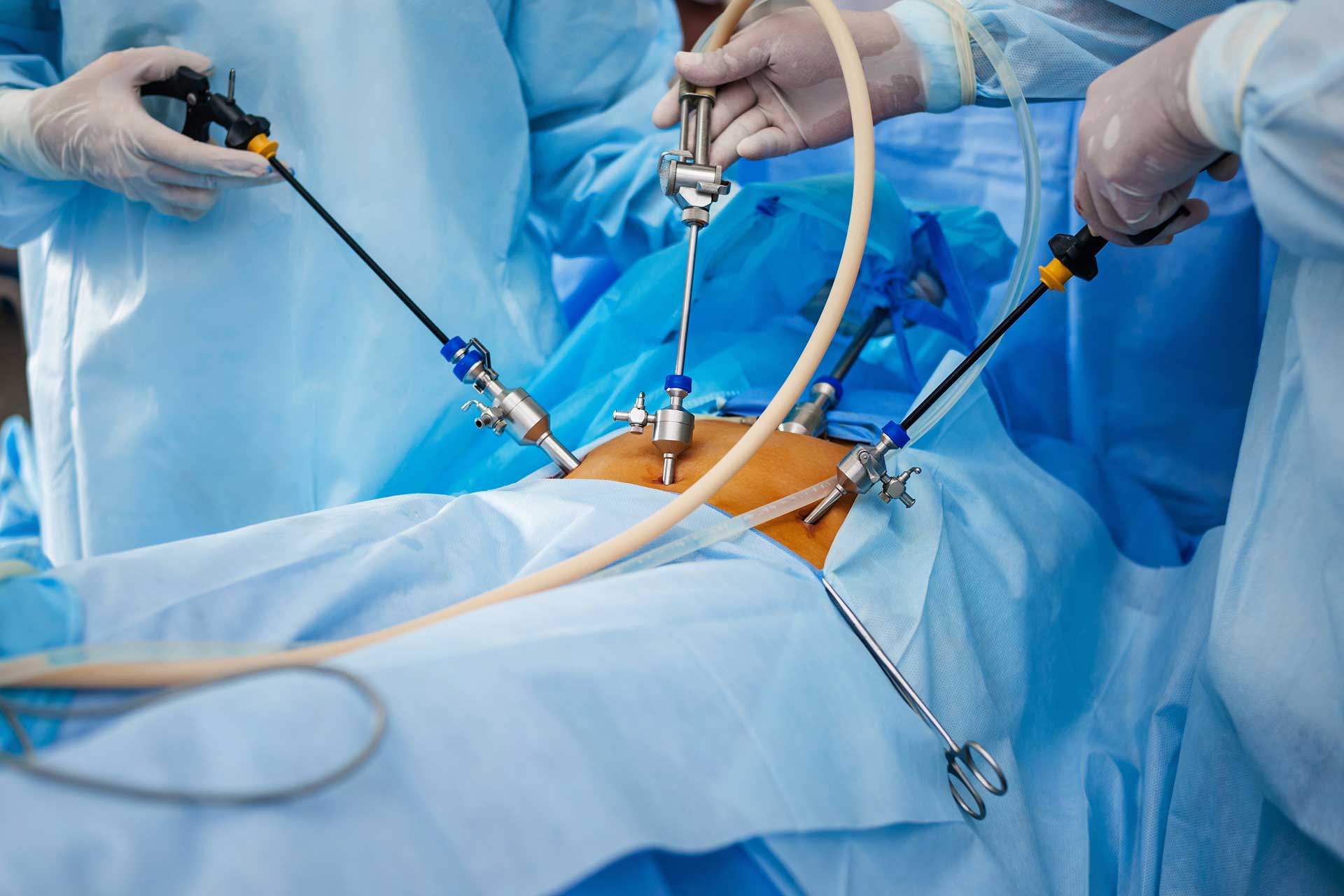
Step One: Preparation with Laparoscopy After the patient is placed under general anesthesia, a laparoscopic camera is inserted into the abdomen. Using this camera, the surgeon can view the internal organs in great detail and perform small incisions (ranging from two to five small incisions) in the abdominal wall. Through these incisions, surgical tools are inserted to perform the procedure.
Step Two: Preparing the Sigmoid Colon and Rectum for Resection The surgeon begins by separating the main blood vessels that supply the affected areas of the intestine. This helps reduce blood flow to the sections that will be removed. The sigmoid colon and rectum are then detached from the surrounding tissues and prepared for complete resection.
Step Three: Removing the Anus and Rectum Once the sigmoid colon and rectum are ready for resection, the surgeon proceeds to cut the anus in the perineal region, the area between the patient's legs. After making the incision, the anus, rectum, and sigmoid colon are completely removed.
Step Four: Creating the Stoma (Colostomy) The surgeon creates a stoma on the left side of the abdomen through one of the surgical incisions. The stoma is an opening in the abdominal wall that allows waste to exit the body. A portion of the colon is brought through the stoma, and the stoma is sutured in place. The waste will then exit through the stoma. This procedure requires great precision to ensure there is no leakage of waste or other complications.
The patient's stay in the hospital after laparoscopic abdominoperineal resection typically ranges from five to seven days, depending on the individual’s condition. During this period, the patient is closely monitored for any complications. A colostomy bag is immediately placed after the surgery to collect waste from the newly created stoma. The digestive system takes a few days to resume its normal function, and the passing of gas or stool through the stoma indicates that the intestines have regained their function.
The patient gradually increases their food intake, starting with ice chips, then liquids, and eventually solid foods as the intestines begin to function normally. The medical team supervises the patient's health and provides guidance on how to properly care for the stoma.
Dr. Ahmed El-Gendy, Consultant in Colon and Rectal Surgery at Cairo University Hospital, said in an official statement:
"Laparoscopic abdominoperineal resection is one of the modern surgical techniques that offer a less invasive alternative compared to traditional surgery. It provides faster recovery and less pain for patients, but it is crucial for the patient to be fully informed about all aspects of the procedure, including proper post-surgery stoma care."
Dr. Sara Helmy, Professor of Surgery at Alexandria University’s Faculty of Medicine, added: "It is important for patients to understand that this procedure is a vital option in cases of advanced cancer or chronic bowel diseases. However, the psychological and physical aspects related to lifestyle changes after surgery must not be overlooked, including continuous stoma care and dietary adjustments."
After discharge from the hospital, the patient requires several weeks of recovery, during which the stoma is monitored to ensure there are no leaks. Nurses provide the patient with instructions on how to care for the stoma at home, including how to change the colostomy bag, clean the area regularly, and maintain personal hygiene.