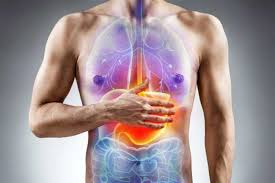
Stomach germs... A silent killer in the human gut

2024-12-13
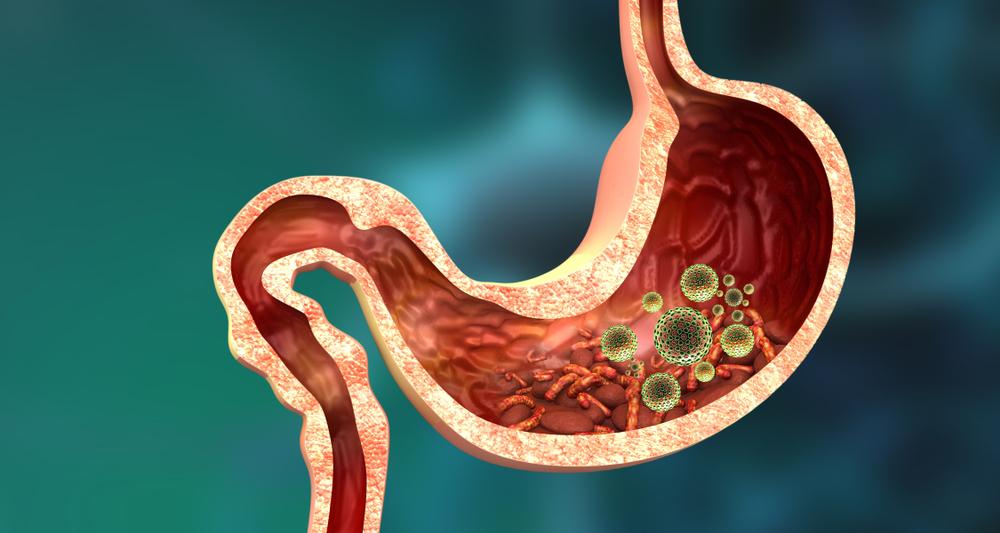


Helicobacter pylori (H. pylori) is one of the most common bacteria in the world, infecting a large percentage of people without them even realizing it.
This bacterium is the primary cause of many digestive health issues, including gastric and duodenal ulcers, and can sometimes lead to the development of stomach cancer if not properly treated.
Stomach bacteria are spiral-shaped bacteria that live in the mucous membrane of the stomach, perfectly adapted to the acidic environment of the stomach, where they live and multiply invisibly for long periods of time.
The danger of this bacterium is that it is not limited to causing temporary infections, but can cause chronic issues and long-term damage if left untreated
.
Based on medical studies, researchers suggest that about 50% of the world's population is infected with MRSA, however, most of those infected do not experience any noticeable symptoms.
Gastroenteritis is usually transmitted orally, through eating food or water contaminated with bacteria, and direct contact with the secretions of an infected person, whether through saliva or touch, may contribute to the transmission of the infection, in countries with poor hygiene or unsterilized water, this infection is more prevalent.
It is important to note that stomach bugs may not cause immediate symptoms in many people. However, in some cases, it can lead to unpleasant symptoms, including
Abdominal pain or burning sensation in the stomach, especially after eating.
Nausea or vomiting, especially in the morning
Loss of appetite and unexplained weight loss.
Abdominal bloating and feeling full quickly.
In advanced cases, symptoms such as stomach bleeding or bloody stools may occur.
These symptoms are due to gastritis caused by bacteria, which destroys the mucous membrane that protects the stomach wall from digestive acids.
Diagnosing gastroenteritis requires careful medical tests to detect the presence of bacteria in the stomach. These tests include:
Urea breath test: One of the most common tests, a substance containing urea is drunk and, when broken down by the bacteria, produces a detectable gas in the breath.
Blood test: To detect antibodies to bacteria.
Endoscopy: In some cases, a gastroscopy may be required to obtain a sample of tissue (biopsy) and examine it under a microscope.
Treatment
Fortunately, gastric bacteremia can be successfully treated with antibiotics and acid-reducing medications. Treatment is usually based on taking a combination of medications for 10 to 14 days, including:
Antibiotics: Amoxicillin and clarithromycin to kill the germ.
Medications to reduce acidity: Such as proton pump inhibitors (PPIs), which reduce the production of acid in the stomach, allowing the mucosa to recover from inflammation.
Complementary therapy: In some cases, doctors may recommend other medications to relieve symptoms such as Sucralfate, which protects the stomach wall.
According to medical studies published in the Arab Medical Journal, 95% of cases can be successfully treated if the drug treatment plan is followed correctly.
Prevention of gastric germs is largely dependent on maintaining food and water hygiene, including:
-Drinking safe water.
-Wash your hands thoroughly before eating and after using the restroom.
-Ensure that food is clean and avoid eating it from unreliable places.