Ascites: Causes, Symptoms, and Treatment

2024-12-05
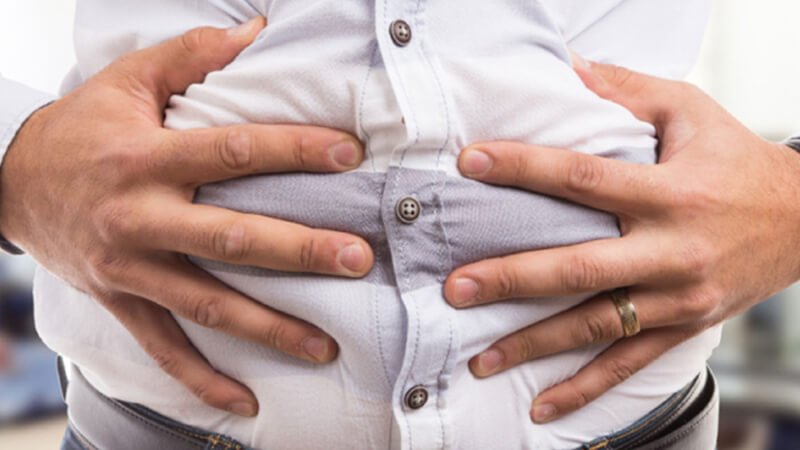


Ascites is a medical condition characterized by the abnormal accumulation of fluid within the abdominal cavity, leading to abdominal distention and rapid weight gain. It is a common complication associated with liver cirrhosis, affecting approximately 80% of cirrhotic patients. If left untreated, ascites can lead to severe complications, including infections and kidney failure.
According to a 2023 study published in Hepatology International, liver cirrhosis is the leading cause of ascites, where scarring disrupts blood flow through the liver and increases pressure in the portal vein.
Symptoms include:
- Abdominal distention: Noticeable swelling due to fluid buildup.
- Rapid weight gain: Occurs swiftly as fluids accumulate.
- Ankle swelling: Fluid retention in the lower extremities.
- Breathing difficulty: Caused by pressure on the diaphragm and lungs.
Additional symptoms:
Loss of appetite.
Feeling of fullness.
Pain or discomfort in the abdomen.
Dr. Jonathan Miller from Mayo Clinic stated: "Ascites is a clear indicator of liver dysfunction and requires prompt medical intervention to prevent complications."
Liver Cirrhosis:
The most common cause, resulting in portal hypertension (increased pressure in the portal vein).
Congestive Heart Failure:
Impaired heart function leads to fluid retention throughout the body.
Kidney Failure:
Inability of the kidneys to excrete excess fluid and salt.
Malignancies:
Cancers affecting the liver, pancreas, or other abdominal organs.
Infections of the Urinary Tract:
May obstruct the natural flow of fluids.
Dr. Jennifer Kennedy from Stanford University commented: "Identifying the underlying cause of ascites is crucial for effective treatment and prevention of complications."
Medical History and Physical Examination:
Palpating the abdomen to detect fluid accumulation.
Blood Tests:
Evaluate liver and kidney functions through tests like Blood Urea Nitrogen (BUN) and Glomerular Filtration Rate (GFR).
Urinalysis:
Detects proteins or markers of infection.
Imaging Studies:
Ultrasound: Determines the extent of fluid and evaluates liver health.
CT Scan: Identifies tumors or obstructions.
Paracentesis:
Involves inserting a needle into the abdomen to extract fluid for analysis, detecting infections or malignancies.
Dr. Mark Davidson from Cleveland Clinic emphasized: "Paracentesis is a vital procedure to identify the underlying cause of ascites and prevent the development of bacterial peritonitis."
- Spontaneous Bacterial Peritonitis (SBP):
A severe infection of the accumulated fluid.
- Hepatic Hydrothorax:
Fluid leaks into the chest cavity, causing breathing difficulties.
- Kidney Failure:
Known as hepatorenal syndrome, a critical condition linked to advanced liver disease.
- Reduced Quality of Life:
Difficulty walking, eating, and sleeping.
1. Sodium Restriction:
Limit sodium intake to less than 2 grams daily.
Consult a dietitian to identify hidden sources of salt.
2. Medications:
Diuretics:
Spironolactone (Aldactone).
Furosemide (Lasix).
Aid in reducing fluid retention.
Antibiotics:
Treat or prevent infections like SBP.
Pain Relievers:
Alleviate discomfort associated with abdominal distention.
3. Surgical Interventions:
Therapeutic Paracentesis:
Removes large volumes of fluid to relieve symptoms.
Transjugular Intrahepatic Portosystemic Shunt (TIPS):
Creates a new pathway in the liver to reduce portal pressure.
Liver Transplantation:
The definitive treatment for advanced liver cirrhosis.
Track fluid retention.
Abstinence improves liver function.
Drugs like ibuprofen and aspirin may exacerbate kidney dysfunction.
Consult hepatologists and dietitians regularly.
Dr. Sarah Mills from Johns Hopkins Medicine stated: "Patient adherence to dietary and medical guidelines significantly enhances ascites management and reduces the risk of complications."