Study: Too much salt puts you at risk of stomach cancer

2024-12-07
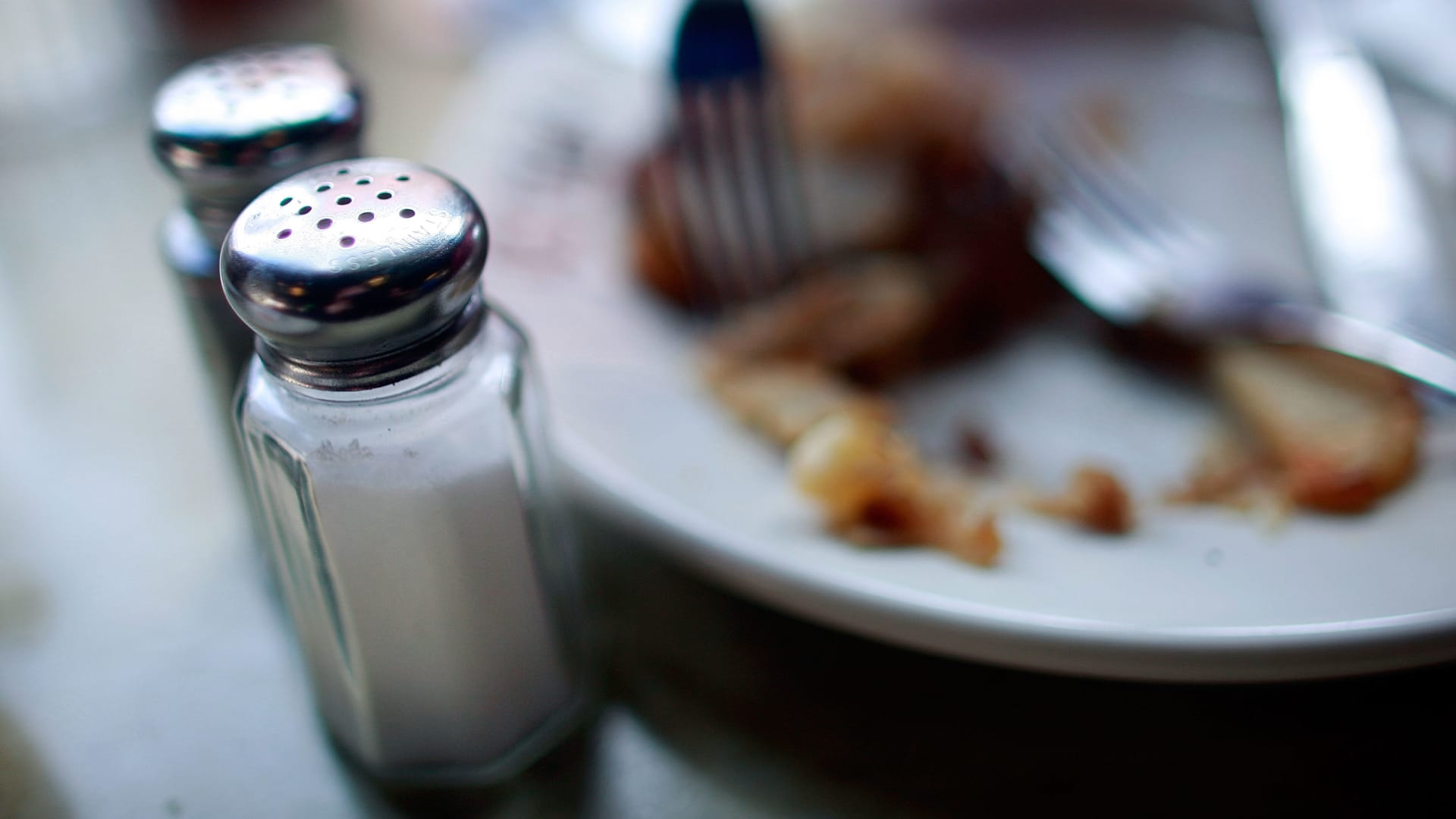


Nutritionists from the Center for Public Health at the University of Vienna found that people in the United Kingdom who used to add excessive amounts of salt to most of their diets were up to 41% more likely to develop stomach cancer, compared to people who used salt moderately or sparingly.
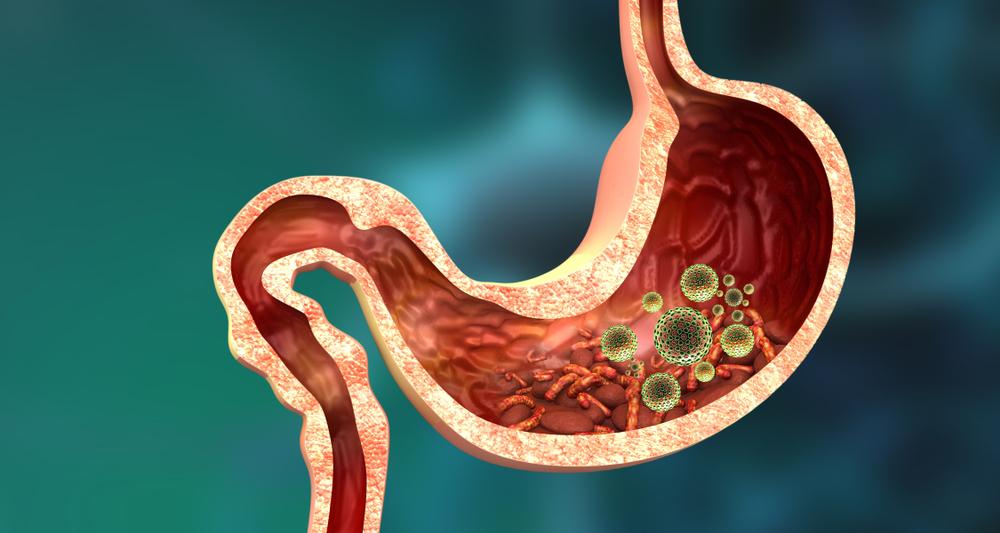
The study, published by the British newspaper “Daily Mail”, confirmed the results of previous scientific research, which indicated that excessive salt intake can lead to erosion of the protective layer in the stomach, and this erosion causes tissue damage, which may lead to cancerous mutations, thus raising the risk of stomach cancer.
To reach these findings, University of Vienna researchers analyzed a database of 471,144 UK adults over an 11-year period, and the study showed that people who consumed large amounts of salt were 41% more likely to develop stomach cancer, compared to those who rarely added salt to their food.
To ensure the accuracy of the results, the researchers excluded other variables that may affect the incidence of stomach cancer, such as age, socioeconomic status, and other lifestyle choices such as drinking alcohol and smoking, and according to the Daily Mail, the results remained consistent despite these exclusions.
A clear link between salt and cancer
The lead author of the study, Selma Kronsteiner Jesiewicz, a nutritionist at the University of Vienna, commented: “Our research shows a clear relationship between the frequency of adding salt to food and the risk of stomach cancer, our study aims to raise awareness about the negative effects of excessive salt consumption, and provide a scientific basis for developing preventive measures against stomach cancer.”
Salt, which is made up of about 40% sodium and 60% chloride, is commonly used to add flavor to foods or to preserve them and increase their shelf life. Although sodium is essential to the body, contributing to muscle and nervous system function, and chloride helps maintain the body's water and mineral balance, excessive salt intake can lead to short- and long-term negative effects.
The effects of too much salt
Consuming large amounts of salt in a short time can lead to fluid retention in the body, a temporary rise in blood pressure, extreme thirst, and, in rare cases, “hypernatremia,” a condition that can be fatal if not treated quickly.
Chronic excessive salt intake is associated with an increased risk of stomach cancer and heart disease, as well as a higher risk of premature death, and although more scientific studies are needed to confirm these effects, current evidence overwhelmingly supports these conclusions.
World health organizations recommend not exceeding 1,500 to 2,300 mg of sodium per day, which is equivalent to 3.8 to 5.8 grams of salt, less than a teaspoon per day.
Minimizing risks
The impact of consuming large amounts of salt can be minimized by drinking enough water and eating potassium-rich foods, such as potatoes, avocados, bananas, spinach, and lettuce. These foods help the body balance and offset the negative impact of excessive salt consumption.