Digestive System Disorders: Causes, Symptoms, and Treatment

2024-12-05
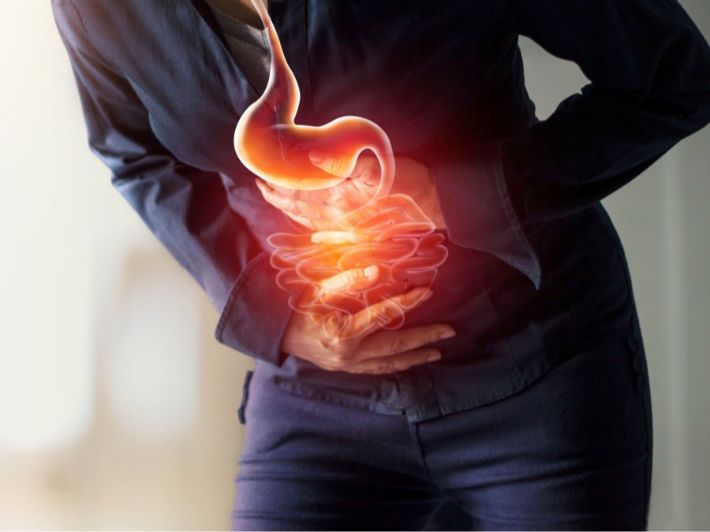


Digestive system disorders are among the most common health issues, significantly impacting individuals' quality of life. These disorders can be broadly categorized into functional disorders, which affect bowel performance, and structural disorders, often requiring surgical intervention. This article discusses the most prevalent digestive system disorders, their causes, symptoms, treatment options, and preventive measures, based on the latest medical research.
According to a 2023 study published in the Journal of Gastroenterology, digestive disorders affect over 40% of the global population, making them one of the most pressing challenges in healthcare.
Functional disorders are conditions where the intestines appear normal but do not work correctly. Common examples include:
Constipation refers to difficulty passing stools, reduced bowel movements (fewer than three times per week), or a feeling of incomplete evacuation. It is a common gastrointestinal issue caused by:
A low-fiber diet.
Lack of regular physical activity.
Ignoring the urge to defecate.
Excessive consumption of dairy products.
Stress or changes in routine, such as traveling.
Hard, dry stools.
Feeling of incomplete evacuation.
Pain during defecation.
Increasing fiber intake (e.g., vegetables, fruits, whole grains).
Drinking adequate water.
Engaging in regular physical activity.
Using laxatives under medical supervision.
Dr. Jonathan Miller from Mayo Clinic states, "Chronic constipation can indicate more serious conditions, such as bowel obstruction or tumors."
IBS is a functional disorder characterized by abnormal muscle contractions in the colon, leading to irregular bowel movements.
Abdominal pain and cramps.
Bloating and excessive gas.
Changes in stool consistency (diarrhea, constipation, or both).
Avoiding trigger foods (e.g., caffeine, fatty foods).
Increasing dietary fiber intake.
Stress management through relaxation techniques.
Medications prescribed by a healthcare provider.
Dr. Jennifer Kennedy from Stanford University emphasizes, "Successful management of IBS requires a combination of dietary adjustments and behavioral therapy."
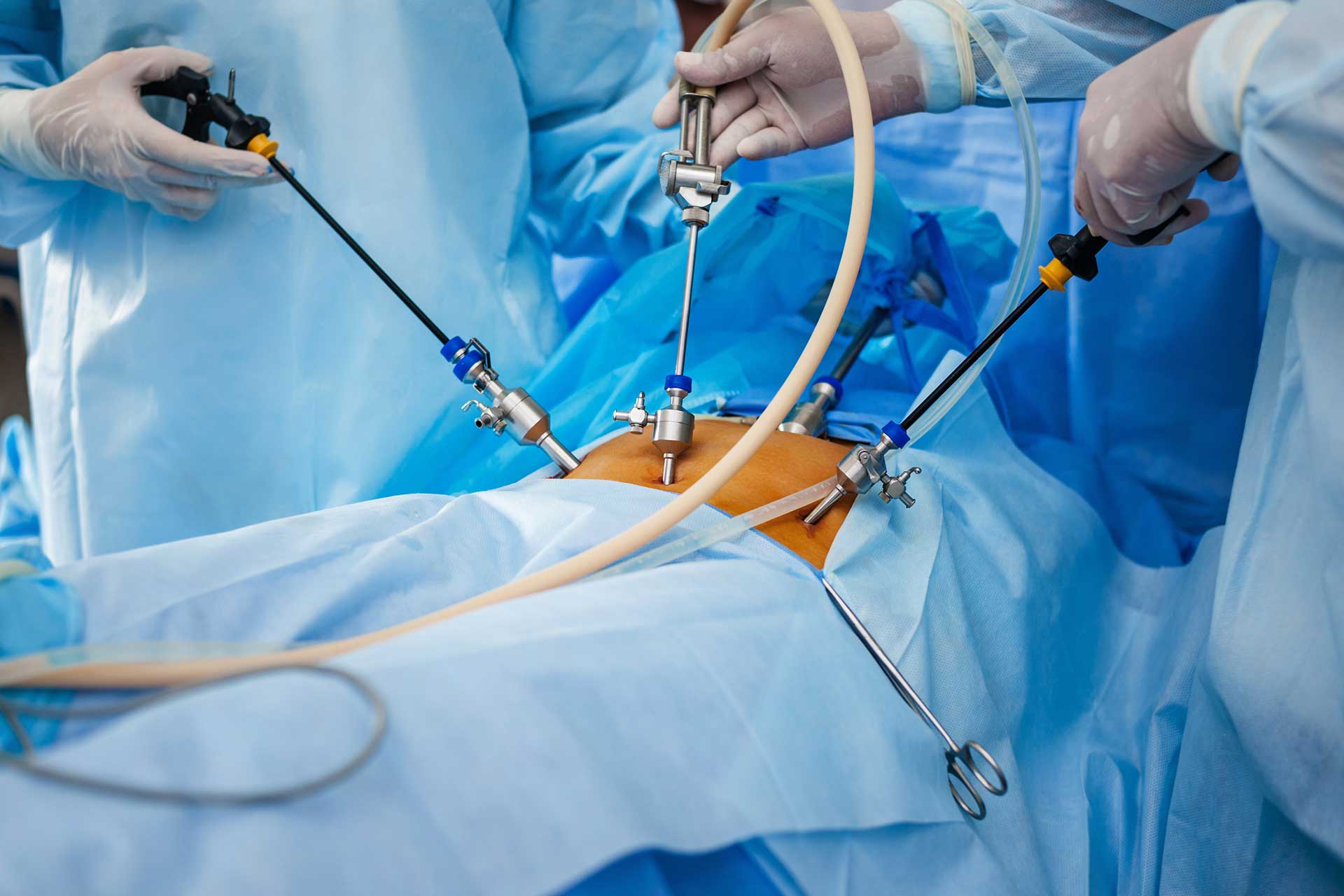
Structural disorders involve physical abnormalities in the digestive tract, often requiring surgical correction.
Hemorrhoids are swollen veins in the rectum or anus, which can be internal or external.
Straining during bowel movements.
Chronic diarrhea or constipation.
Pregnancy.
Improving bowel habits.
Using topical treatments.
Rubber band ligation for internal hemorrhoids.
Surgery for severe cases.
Diverticular disease involves the formation of small pouches (diverticula) in the colon wall, particularly in the sigmoid colon.
Lower abdominal pain.
Rectal bleeding.
Alternating constipation and diarrhea.
Antibiotics for infections.
Increased fluid intake.
Surgery to remove affected sections in severe cases.
Dr. Mark Davidson from Cleveland Clinic explains, "Diverticular disease prevention largely depends on a fiber-rich diet."
Colorectal cancer is the second most common cancer type but is highly treatable if detected early.
Obesity.
Smoking.
Family history of colorectal cancer.
Rectal bleeding.
Changes in bowel habits.
Unexplained weight loss.
Colonoscopy to detect and remove polyps.
Surgical intervention.
Chemotherapy and radiation in advanced stages.
Dr. John Smith from Johns Hopkins Medicine asserts, "Colonoscopy remains the gold standard for preventing colorectal cancer."
Colon infections include conditions such as:
Infectious colitis.
Ulcerative colitis.
Crohn's disease.
Bloody diarrhea.
Abdominal pain.
Weight loss.
Anti-inflammatory drugs.
Immunosuppressants.
Surgery for complications.
Follow a fiber-rich diet.
Maintain a healthy weight.
Avoid smoking and alcohol.
Drink plenty of water.
Schedule regular health screenings, especially if there is a family history of digestive diseases.
Dr. Sarah Mills from Harvard Medical School states, "Prevention starts with awareness, adopting a balanced diet, and timely medical evaluations."