Meniere’s Disease: The Life-Altering Ear Disorder

2024-12-08
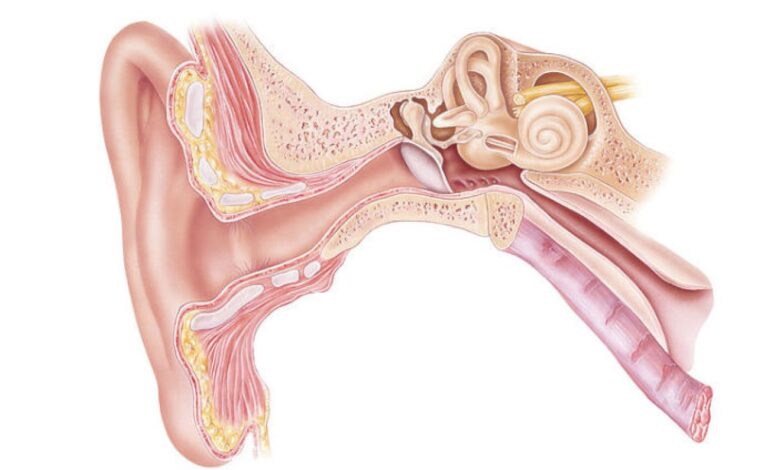


Meniere’s Disease is a condition that affects the inner ear, the hub for hearing and balance, causing a range of debilitating symptoms. From sudden vertigo attacks and bothersome tinnitus to intermittent hearing loss that may become permanent, this disease presents daily challenges for those affected.
Meniere’s Disease often affects one ear, though it can sometimes spread to the other. It is accompanied by a feeling of fullness in the affected ear. While the disease is chronic and has no definitive cure, several medical and home remedies can alleviate symptoms, enabling patients to adapt and improve their quality of life.
This article explores the causes, symptoms, available treatments—including surgical and home remedies—and essential tips for coping with the disease.
Meniere’s Disease can affect people of any age, though statistics show that over 15% of cases occur between the ages of 20 and 50. It impacts both men and women equally.
Severe vertigo: Lasting from 20 minutes to several hours, typically 2-4 hours per episode.
Tinnitus: A ringing or buzzing sound in the affected ear.
Temporary or permanent hearing loss: Gradually fluctuating.
Fullness or pressure in the affected ear.
-Nausea and vomiting.
-Sweating and diarrhea.
-Headaches.
-Uncontrolled eye movements.
-Extreme sensitivity to loud sounds.
-Issues with fluid drainage.
-Autoimmune responses.
-Infections in the middle or inner ear.
-Genetic predisposition.
-Head injuries.
-Risk Factors
-Alcohol consumption and smoking.
-Allergies.
-Exposure to stress.
-Respiratory infections.
-Certain medications that may trigger the condition as a side effect.
Comprehensive physical examination and patient history.
Identifying symptoms such as at least two vertigo episodes lasting 20 minutes each.
Audiometry to assess hearing.
Electrocochleography to measure fluid pressure.
MRI scans.
Balance tests using electronystagmography (ENG) to evaluate eye movements linked to inner ear sensors.
-Anti-vertigo drugs.
-Anti-nausea and anti-emetic medications.
-Diuretics to reduce body fluid retention.
-Gentamicin injections.
-Betahistine to enhance inner ear blood flow.
Avoiding salt, caffeine, chocolate, and alcohol.
Quitting smoking.
Practicing relaxation techniques to reduce stress.
Dandelion tea as a diuretic.
Ginger and Ginkgo Biloba to alleviate vertigo.
Surgical Interventions: Reserved for severe cases, these include:
Endolymphatic sac surgery to reduce fluid buildup.
Vestibular nerve sectioning to address vertigo while preserving hearing.
Labyrinthectomy: Removing parts of the inner ear, used when hearing is already severely impaired.
Coping Strategies
Following a low-sodium diet.
Avoiding sudden movements or demanding activities such as prolonged driving.
Engaging in regular physical activity when possible.
Ensuring adequate sleep and rest.
Limiting screen time to reduce vertigo episodes.