Acute and Chronic Pain: Diagnosis and Treatment

2024-12-07
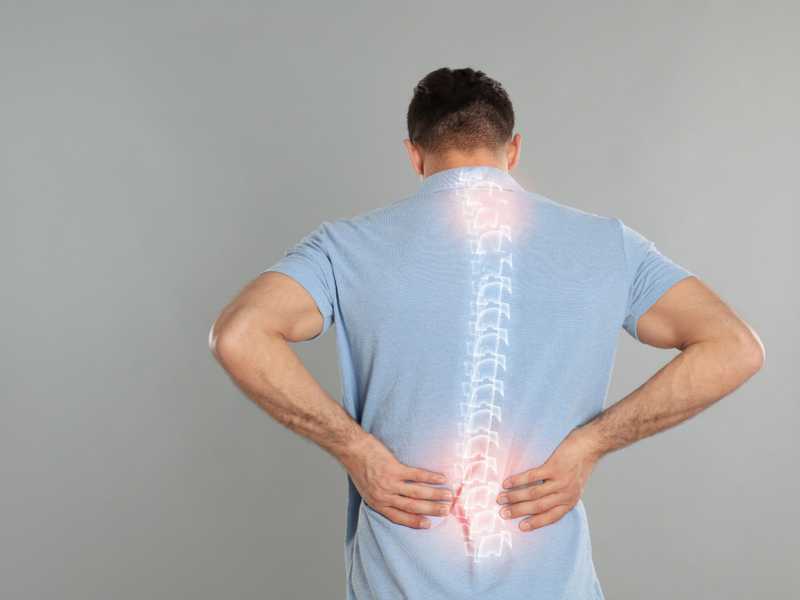


Pain is a natural signal sent by the nervous system to the brain, indicating injury or potential harm. It can be temporary (acute) or persistent (chronic), with varying causes and treatments depending on the patient's condition.
Acute Pain
Acute pain occurs suddenly due to an injury or illness, serving as a warning signal for the body to address or protect the affected area. According to a 2023 study published in the Pain Medicine Journal, acute pain is short-term, typically lasting less than six months, and resolves with the treatment of the underlying cause.
Causes of Acute Pain
Physical injuries: Fractures, wounds, burns.
Surgeries: Post-operative pain.
Medical procedures: Dental treatments.
Emergencies: Labor pain or acute infections.
Symptoms of Acute Pain
-Sudden onset of pain.
-Localized discomfort in a specific area.
-Pain subsides once the cause is addressed or healed.
Doctor's Statement
Dr. Jonathan Smith, Professor of Pain Medicine at Harvard University, stated: "Acute pain is a protective response designed to prompt the body to address an injury quickly. However, untreated acute pain may evolve into chronic pain."
Chronic Pain
Chronic pain is persistent or recurrent, lasting more than three to six months, even after the original injury or illness has healed. It significantly impacts quality of life and daily functioning.
Causes of Chronic Pain
Previous injuries: Sports injuries or accidents.
Chronic illnesses: Arthritis, cancer.
Nerve pain: Neuropathy from diabetes.
Psychological disorders: Depression and anxiety.
Types of Chronic Pain
-Chronic headaches.
-Lower back pain.
-Cancer-related pain.
-Phantom pain: Pain in amputated limbs.
Doctor's Statement
Dr. Mark Davidson from Mayo Clinic commented: "Chronic pain often results from a complex interaction between the nervous system and the brain, requiring a comprehensive treatment approach."
Differences Between Acute and Chronic Pain
Duration: Acute pain is short-term, while chronic pain is long-term.
Purpose: Acute pain alerts to immediate health issues; chronic pain stems from ongoing dysfunction.
Psychological Impact: Chronic pain often leads to anxiety and depression due to its prolonged effects on life quality.
Diagnosis of Pain
1. Clinical Examination:
Identifying the location and duration of pain.
Questioning the patient about associated symptoms.
2. Diagnostic Tests:
MRI scans: Detailed imaging for underlying causes.
X-rays: Checking for structural damage.
Nerve tests: Assessing neurological involvement.
3. Questionnaires:
Visual analog scales (0-10) for pain intensity.
Quality-of-life surveys to evaluate pain's impact.
Doctor's Statement
Dr. Michael Collins from Johns Hopkins Medicine noted: "Accurate pain diagnosis is the cornerstone of developing an effective and comprehensive treatment plan."
Treatment of Pain
Pain management depends on its severity, type (acute or chronic), and underlying causes. Treatments include:
1. Medications:
Nonsteroidal Anti-Inflammatory Drugs (NSAIDs): Ibuprofen, naproxen.
Acetaminophen: Paracetamol (e.g., Panadol).
Opioids: Morphine, codeine for severe pain.
Topical analgesics: Lidocaine creams.
Antidepressants: For chronic nerve pain.
Anticonvulsants: Treating neuropathic pain.
2. Non-Pharmacological Therapies:
Physical therapy: Improves muscle movement and reduces stiffness.
Biofeedback: Training the body to control physiological responses to pain.
Acupuncture: Traditional Chinese technique proven effective in pain relief.
Electrical stimulation: Using mild electrical currents to reduce pain.
3. Psychological Treatments:
Cognitive Behavioral Therapy (CBT): Addresses emotional and psychological effects of pain.
Relaxation techniques: Meditation and deep breathing exercises.
4. Surgical Interventions:
Nerve blocks: Injecting local anesthetics to block pain signals.
Neurostimulators: Devices to stimulate nerves and modulate pain perception.
Doctor's Statement
Dr. Jennifer Kennedy from Stanford University emphasized: "Managing chronic pain requires a multidisciplinary approach. Combining medications, physical therapy, and psychological support enhances treatment effectiveness."
Complications of Chronic Pain
Reduced quality of life.
Sleep disturbances.
Strained social relationships due to constant stress.
Increased risk of anxiety and depression.
Preventing Pain
Avoid overexertion or repetitive strain.
Maintain proper posture during sitting and standing.
Exercise regularly to strengthen muscles and joints.
Schedule routine check-ups to monitor overall health.
Doctor's Statement
Dr. John Smith from Cleveland Clinic stated: "Addressing the root causes of acute pain early can prevent its progression into chronic pain."